How to Choose the Right Tiny Home?
Choosing the right tiny home starts with a practical question: how will you live in it every day? Floor plans and photos can make a compact home feel spacious. Yet a narrow doorway, low storage shelf, or missing laundry space may matter more than a stylish finish. Measure the items you use daily, from your mattress to your winter coats. Then compare layouts against your routines, not just the advertised square footage. Small details count.
Affordability also deserves a careful look. Harvard University’s Joint Center for Housing Studies reported in America’s Rental Housing 2024 that 22.4 million U.S. renter households spent more than 30% of their income on housing in 2022. That figure shows real pressure, but it does not prove a tiny home will cost less. Land, site preparation, utility connections, delivery, insurance, and ongoing maintenance can change the total substantially. The budget may surprise you.
A sound choice balances space, location, construction quality, and realistic costs. Check whether the home is designed for a permanent foundation or frequent travel, and ask for clear specifications on insulation, ventilation, and warranties. Confirm local requirements with the relevant planning office before committing; rules differ by location and property. This guide will help you compare those factors and identify questions worth asking a builder or seller. There is no perfect model. A little doubt is useful: if the numbers or claims seem vague, pause and verify them.
Define Your Space, Lifestyle, and Mobility Needs
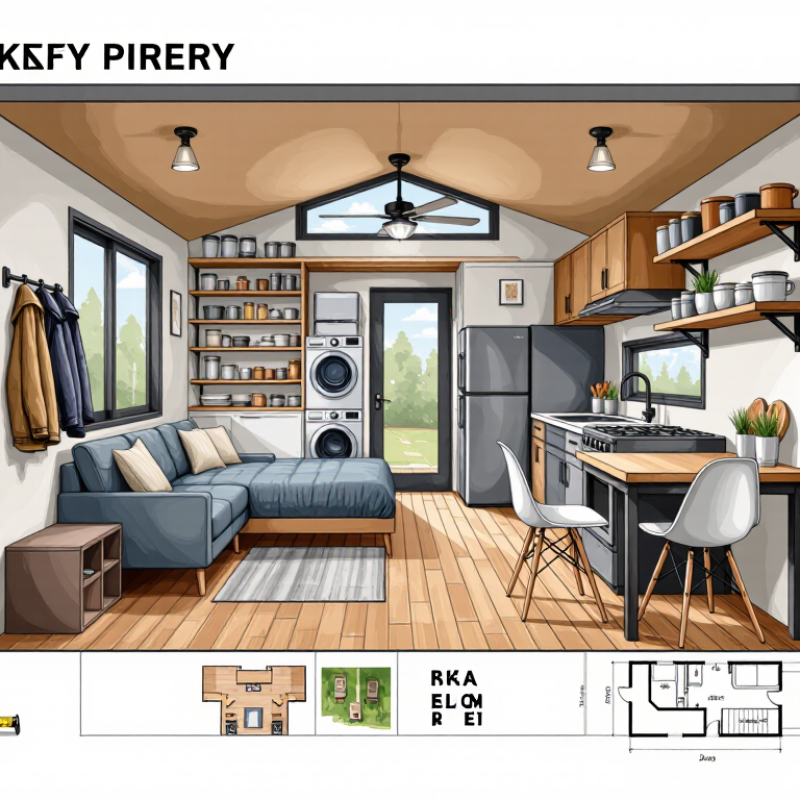
A tiny home should fit the routines you actually live, not an idealized weekend. List who sleeps there, where coats and tools go, and whether anyone works from home. Stand at the sink and imagine two people passing; a floor plan can look generous until daily life begins. Measure twice. The U.S. Census Bureau’s 2023 American Community Survey reported an average household size of about 2.5 people. That is a useful reference, not a design rule: one person with outdoor gear may need more storage than two minimalists.
Match the layout to your days. A fixed bed saves setup time, while a convertible dinette asks you to clear cushions nightly. If you cook often, check counter length, pantry space, and ventilation. If you work remotely, test whether a chair and laptop can stay set up without blocking the door. Small compromises add up. I would be cautious about choosing a model from floor plans alone; visit a full-scale interior, if possible, and rehearse a normal morning.
Mobility needs change the decision. A stationary home can prioritize stairs, porches, and larger storage; a frequently moved home benefits from simpler layouts and securely stowed belongings. The RV Industry Association’s 2023 RV Owner Demographic Profile reported 11.2 million U.S. households owned an RV in 2021. That figure shows broad interest in mobile living, but it does not predict tiny-home demand. For a towable home, compare its loaded weight with your vehicle’s rated capacity, then consider parking, road access, and how often you truly plan to move. These estimates are imperfect; your own route and habits matter more.
Set a Budget and Check Local Rules
A tiny home’s advertised price is only one part of the budget. Add delivery, site preparation, foundation work, utility connections, permits, and insurance. A narrow driveway may require special transport, while a sloped lot can raise foundation costs. Small details matter. Keep a contingency fund, perhaps 10–15 percent, and adjust it after getting local quotes. The right amount depends on the site and project.
Check local rules before placing a deposit. Zoning may limit where a home can sit, how large it can be, or whether it can serve as a full-time residence. Ask the local planning office about the exact parcel, not just the general area. Also confirm requirements for foundations, water, wastewater, road access, and utility connections. Ask before paying. Request written guidance, and confirm whether county and municipal requirements both apply.
Rules and costs can change, so verify details with the relevant offices and qualified local contractors. Keep notes, names, and dates from calls. It is easy to underestimate the time involved, and an informal answer may not settle every question. That can be frustrating. If a rule seems unclear, ask what document or approval would resolve it before choosing a home or ordering materials.
How to Choose the Right Tiny Home? — Set a Budget and Check Local Rules
This chart shows one illustrative $100,000 planning budget—not an estimate of typical costs.
Actual prices vary by location and project. Before choosing a home, check local zoning,
building and permit requirements, and confirm whether the site can support required utilities.
Compare Tiny Home Types, Sizes, and Layouts
Choosing a tiny home starts with how and where you plan to live.
A wheeled model can suit frequent moves, but towing limits and storage space matter. A home on a foundation may offer more room for built-in features. Compare total floor area, not just exterior length. A narrow home can feel surprisingly open with large windows and clear walking paths.
Layout affects daily comfort more than a floor plan suggests.
Check whether the kitchen allows two people to pass, and whether the bed leaves space to dress. Loft beds save floor area, but climbing stairs each night may grow tiring. Try marking furniture sizes on the floor before choosing. Measure twice. A drawing can look generous; the doorway may still feel cramped.
Tips: List your must-haves, then rank them. Visit a finished home if possible, and notice where bags, coats, and shoes actually go. Ask how much usable storage remains after equipment is installed. Leave room for change, too.
I once underestimated the space needed for wet boots, and that small oversight made an otherwise thoughtful layout feel cluttered.
Evaluate Construction Quality and Essential Systems
When choosing a tiny home, inspect the structure before admiring the finishes. Check roof edges, window seals, floor joints, and the underside for dampness or movement. Ask how the wall and roof assemblies manage insulation, air leakage, and moisture. A thick wall is not automatically a good wall. Poor ventilation can still leave condensation behind a neat interior panel.
Then test the essential systems under realistic loads. Run the heating, cooling, water pump, and appliances together, and ask for written electrical and plumbing specifications. The U.S. Energy Information Administration’s 2020 Residential Energy Consumption Survey reported average household electricity use of about 10,715 kWh annually; a tiny home’s needs differ, so use that figure only as context. For water, the U.S. Environmental Protection Agency says WaterSense-labeled toilets use 1.28 gallons per flush or less, at least 20% less than the federal standard. Look closely. A tidy checklist can miss a weak connection, and I would not treat paperwork alone as proof. Have an independent inspector review systems that are difficult to access before purchase.
Inspect Your Top Choices and Make a Final Decision
A polished floor plan can look generous online and feel cramped in person. Walk through each finalist slowly, with the doors closed and lights on. Bring a tape measure. Check whether you can open cupboards, pass another person, and sit comfortably at the table. A narrow aisle may seem harmless until you carry groceries through it.
Look closely at seams around windows, roof edges, and plumbing fixtures. Discoloration, soft flooring, or a musty smell may signal moisture problems that deserve professional inspection. Test drawers, taps, windows, and appliances rather than assuming they work. Ask what insulation is installed and how the home connects to water, power, and waste systems. Take your time. Photos can hide awkward details.
Then compare the home with the place where you plan to use it. Confirm delivery access, site preparation needs, and local requirements with the relevant authorities. Request an itemized estimate that includes transport, setup, and expected maintenance, not just the purchase price. Read warranty terms carefully, and ask how repairs are handled. It is tempting to choose the prettiest option; I would pause over that instinct. A slightly imperfect layout may still suit daily routines better, but do not dismiss repeated concerns just because the price feels right.