How to Buy a Tiny House?
Buying a tiny house can mean choosing a compact home, a trailer-based unit, or a factory-built model. Those options differ in price, delivery, financing, and where they can be placed. The market is growing, but published figures need context. Grand View Research estimated the global tiny homes market at USD 5.8 billion in 2022 and forecast a 4.8% compound annual growth rate from 2023 to 2030. That is a market estimate, not a promise of resale value or proof that every buyer will save money.
Start with how you plan to live. Picture the actual routine: making coffee in a narrow kitchen, climbing to a sleeping loft, or carrying groceries through a muddy yard. Small details matter. The International Code Council’s 2018 International Residential Code includes Appendix Q for homes up to 400 square feet, excluding lofts. However, local authorities may adopt different code editions or rules. Check requirements for the exact location before paying a deposit.
To buy tiny house confidently, compare the complete cost, not just the advertised unit price. Ask for written specifications, warranty terms, delivery charges, and a clear list of what the quote excludes. Confirm utility connections, site preparation, insurance, and financing with qualified providers. Get independent inspections where appropriate. A beautiful model can still hide expensive gaps. I would not assume that downsizing automatically makes life simpler; sometimes it only makes each decision more visible. Begin with your budget, intended site, and must-have features, then compare options carefully.
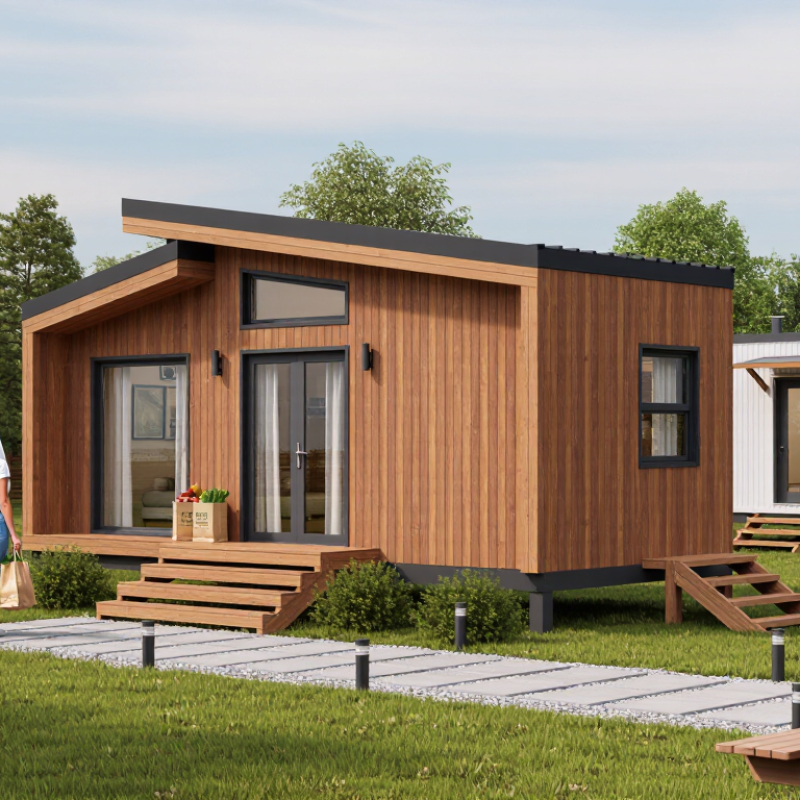
Define Your Budget and Tiny House Requirements
Define Your Budget and Tiny House Requirements
Set a firm spending ceiling before comparing floor plans. Include the home, land, site preparation, delivery, utility connections, insurance, and ongoing maintenance. A low quoted price can hide costly groundwork. Keep a contingency fund, too; the exact amount depends on the site and how much work you can handle yourself. I would not treat a builder’s estimate as the final number. Small details, like a longer driveway or a second water hookup, can shift the budget.
Use industry data as context, not as a tiny-home price promise. The National Association of Home Builders’ 2024 Cost of Construction Survey put the average construction cost for a typical new single-family home at $428,215. That figure does not directly predict tiny-house costs, but it shows how labor and materials can add up. The U.S. Census Bureau reported a median floor area of 2,286 square feet for new single-family homes in 2023. Tiny homes are much smaller, yet land and site costs do not shrink in the same way.
Write down your non-negotiables: sleeping space, bathroom layout, storage, accessibility, and whether the home must move. Measure the objects you use every day. Will a muddy pair of boots fit by the door? Check local site rules and utility access before paying a deposit. Plans change. That is not always a failure; it is a reason to leave some budget and design flexibility.
Check Zoning Laws, Building Codes, and Land Options
Before paying a deposit, ask the planning office whether a tiny house is allowed as a primary home, accessory dwelling, or recreational vehicle. These categories can trigger different rules for occupancy, foundations, utility connections, and minimum lot size. Get the answer in writing; a seller’s assurance is not a zoning approval. The 2021 International Residential Code includes Appendix Q for houses of 400 square feet or less, excluding lofts. But local governments must adopt the relevant provisions, and amendments may apply. Ask the building department which code edition governs your parcel and whether a permanent foundation is required. Small does not mean exempt.
Land costs need careful interpretation. USDA’s 2024 Land Values report put average U.S. farm real estate at $4,170 per acre, up 5 percent from 2023. That is a farm-property benchmark, not the price of a buildable residential lot. A cheap rural parcel may lack road access, water, power, or approved wastewater capacity. Compare serviced lots with undeveloped land, then price surveys, permits, driveway work, and utility extensions. A common planning mistake is to budget for the house but not the site. I would treat any estimate as provisional until the local authority confirms permitted use, setbacks, and connection requirements. Tiny details matter.
Choose a Tiny House Type and Compare Sellers
Start by deciding how the home will be used. A tiny house on wheels may suit frequent moves, while a foundation-built model can feel more like a permanent home. Compare the floor plan, storage, ceiling height, and usable space—not just the advertised square footage. Stand where the kitchen counter would be. Picture opening the bathroom door. Small details matter.
Then compare sellers using the same checklist. Ask for an itemized price, construction materials, insulation details, appliance specifications, delivery costs, and a written warranty. Request floor plans and recent photos of completed homes. If possible, visit a finished unit and inspect cabinet hinges, window seals, and shower drainage. Ask what is excluded from the quoted price. Get answers in writing.
Check how each seller handles changes, delays, and repairs. A lower price may omit setup or transport, so compare the full cost rather than the headline figure. Read independent reviews, but look for specific details instead of relying on star ratings alone. Requirements for placing a tiny house can vary by location, so confirm local expectations before paying a deposit. It is easy to overvalue a clever loft. I might. A careful comparison can still miss something; leave room in your budget for the unexpected.
Inspect the Home, Financing, and Purchase Agreement
When viewing a tiny house, inspect more than the finishes. Open cabinets and look for damp spots, soft flooring, or musty smells. Check window seals, roof edges, plumbing connections, and visible wiring. If the home sits on a trailer, ask a qualified inspector to assess the chassis, tires, and hitch. Confirm that the home’s dimensions and weight suit the intended site and transport plan. A spotless interior can still hide costly problems.
Financing may differ from a standard home loan, especially for movable homes. Ask lenders what documents they require, and get a written estimate of the full monthly cost. Include delivery, site preparation, utility connections, insurance, and any ongoing fees. Read the purchase agreement slowly. It should describe the exact model, materials, appliances, delivery date, payment schedule, warranty terms, and what happens if plans change. Vague wording deserves clarification before signing. I might be tempted to rush when a home looks perfect; that is exactly when a second review helps.
Tips: Photograph defects and keep inspection notes. Ask who handles repairs and when. Compare the agreement with the finished home before accepting delivery. Keep copies of every promise in writing. One missed detail can matter.
Plan Delivery, Utility Connections, and Final Setup
Before delivery day, walk the route from the road to the planned pad. Measure gate openings, turning space, overhead branches, and soft ground after rain. A trailer may need more room to turn than expected. Ask the carrier what access and unloading equipment the home requires, then confirm the site can support its weight. Mark the exact placement area with stakes. It is easy to underestimate how much a few inches matter.
Tips: Photograph the route and pad. Share measurements with the delivery team. Keep a clear backup parking area in case the ground is too wet.
Arrange utility connections before the home arrives. Have qualified tradespeople check water, drainage, electricity, and any heating connections against the home’s specifications and local requirements. Confirm where each connection enters the unit; a hose or cable that is just short can delay setup.
After placement, inspect leveling, doors, windows, and visible connections before furnishing the space. Test systems one at a time and record any leaks, unusual smells, or tripped circuits. Plans can still miss something. Leave time and a modest repair budget for adjustments.