
Choosing the best expandable container house from China requires more than comparing factory prices. Buyers must examine structure, insulation, certification, transport, installation, and after-sales support. A low quotation can hide weak hinges, poor sealing, or expensive site preparation. The right unit should open smoothly, resist rain, and feel stable under daily use.
Industry data supports this careful approach. The International Energy Agency’s 2023 Global Status Report for Buildings and Construction states that buildings and construction consumed over 34% of global energy demand. It also produced around 37% of energy and process-related emissions. These figures make insulation, airtightness, and efficient heating important evaluation points. An energy-saving expandable container house should use tested wall panels, sealed joints, thermal breaks, and practical ventilation. Appearance alone proves little.
Standards matter too. ISO 668 defines freight-container dimensions, while ISO 1161 covers corner fittings used in handling systems. However, not every expandable design matches standard transport assumptions. Buyers should request load calculations, welding records, fire-performance documents, and water-leak test results. Factory audits can reveal whether production is consistent or merely polished for photographs. The best supplier usually provides drawings, sample inspections, packing details, and clear warranty terms. Still, “best” depends on climate, occupancy, budget, and local approval requirements. A coastal office needs different protection than a temporary mountain cabin. This guide compares Chinese options through measurable evidence, practical experience, and honest limitations. Some products will look impressive. Others may perform better. Erotiske
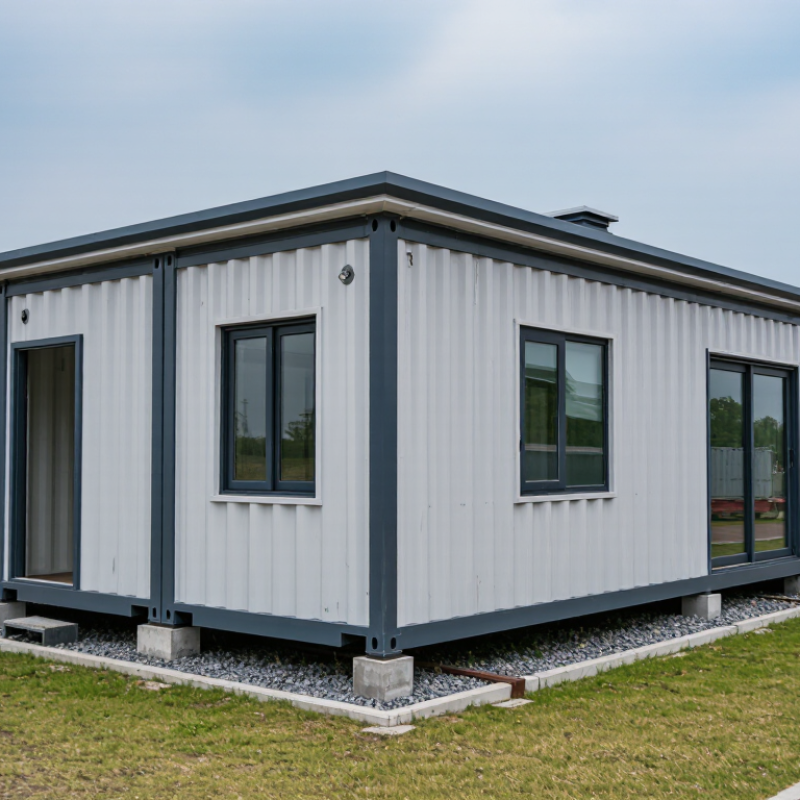
An expandable container house is a factory-built room that folds for transport and opens at its destination. Its central box usually contains the floor, roof, walls, wiring, and plumbing points. Side panels then extend outward through hinges, lifting equipment, or hydraulic systems. The result is more usable floor area than the transport volume suggests. It is compact before installation.
From a technical perspective, the frame should resist wind, rain, repeated movement, and daily loading. Steel thickness matters, but so do weld quality and corrosion protection. Insulation deserves close attention in China’s varied climates. A warm wall for northern winters needs a different structure from one used in a humid southern site.
During a site check, inspect door seals, roof joints, drainage paths, and floor levelness. Small defects become expensive leaks. Electrical fittings should be documented and tested by qualified personnel.
The best expandable house is not simply the cheapest unit or the largest model. It should match occupancy, transport limits, local weather, foundation conditions, and permitted use. Manufacturers in China may provide drawings, material specifications, test records, installation guidance, and maintenance support. Ask for these documents before ordering. Claims about rapid installation need realistic conditions. Uneven ground can delay opening and damage connections. Attractive layouts may still overlook storage, ventilation, or maintenance access.

What Is the Best Expandable Container House from China?
How Expandable Container Houses Are Designed and Built in China
The best expandable container house begins with site conditions, not appearance. Chinese manufacturers usually develop the structure through CAD drawings, load calculations, and factory prototypes. Engineers check roof weight, wind pressure, earthquake requirements, and transport limits before production. A practical design must fold securely and open without damaging walls, floors, or utility lines.
In a typical factory, workers cut galvanized steel sections with CNC equipment. Welders assemble the main frame and inspect each joint. Insulation is fitted between wall panels, while wiring and plumbing are installed before shipment. Doors, windows, hinges, and lifting points receive repeated checks. Small details matter. A poorly aligned hinge can slow installation and cause water leakage later.
Quality also depends on documentation and honest inspection. Buyers should request material specifications, welding records, fire-safety information, and installation drawings. Local building approval still matters after delivery. The cheapest unit may use thinner panels or weaker hardware, though this is not always obvious in photographs. I have found that factory speed can sometimes compete with careful finishing. That deserves scrutiny. A reliable supplier accepts independent inspection and explains maintenance needs clearly. The strongest option is not simply the largest or most attractive house. It is a structure designed for its climate, shipped safely, assembled correctly, and supported with traceable technical information.
Expandable container houses are commonly designed around ISO container shipping dimensions. The chart compares the nominal external envelope of standard 20-foot and 40-foot modules, which directly affects transport planning, structural layout, and available expansion space.
Reference values are nominal external dimensions for standard dry freight containers: 20-foot modules are approximately 6.058 m long, while 40-foot modules are approximately 12.192 m long. Actual expandable-house dimensions may vary according to the selected structural system, insulation, folding walls, and local building requirements.
What Is the Best Expandable Container House from China?
The best expandable container house is not simply the largest or cheapest model. It should combine reliable structure, efficient space, and practical installation. High-strength steel frames help resist transport stress and repeated opening. Reinforced hinges should move smoothly without visible distortion. A well-designed unit can expand from a compact transport shape into a brighter living area.
Key features include insulated wall panels, thermal breaks, and sealed roof joints. These details improve comfort during hot summers and cold nights. Waterproof flooring matters too, especially on uneven sites. Check whether the electrical system includes safe wiring, circuit protection, and clear maintenance access. Ask for load calculations, material specifications, and factory inspection records. Independent testing is more convincing than attractive photographs.
Tips: Measure the site before ordering. Confirm wind, snow, and seismic requirements with a qualified local professional. Inspect one complete unit, not only samples. Test doors, windows, plumbing connections, and folding sections several times. A showroom can hide small weaknesses. I would also examine drainage after simulated rainfall. No design is perfect. Some expandable houses lose storage space near folding walls, and that trade-off deserves honest planning. Clear manuals, spare-part availability, and responsive technical support can make daily ownership much easier.
Key Features and Practical Benchmarks for China’s Best Expandable Container Houses
| Evaluation Dimension | Typical High-Quality Specification | Why It Matters |
|---|---|---|
| Expandable Design | Foldable or telescopic modules that expand on site to create additional usable floor space. | The unit can be transported in a compact form while providing substantially more interior space after installation. |
| Transport Configuration | Commonly based on a container-style footprint, with transport dimensions selected to comply with applicable road and shipping limits. | Compact shipping dimensions can reduce freight volume and simplify delivery to remote or temporary sites. |
| Expanded Floor Area | Often approximately 2 to 3 times the folded footprint, depending on the layout and expansion mechanism. | A larger usable area improves comfort and supports bedrooms, bathrooms, kitchens, offices, or living spaces. |
| Structural Frame | Welded steel or galvanized steel framing with reinforced hinges, connection points, lifting points, and floor supports. | A rigid frame helps the house withstand transportation, repeated deployment, wind loads, and everyday use. |
| Corrosion Protection | Anti-corrosion primer and durable exterior coating; galvanized components are preferred in moisture-exposed areas. | Proper corrosion protection extends service life, especially in coastal, humid, and rainy environments. |
| Wall and Roof Insulation | Insulated sandwich panels using materials such as rock wool, EPS, or polyurethane, selected according to climate and fire requirements. | Insulation improves indoor temperature stability, reduces energy consumption, and increases acoustic comfort. |
| Fire Safety | Non-combustible or fire-resistant components where required, with material performance verified against the destination market’s building regulations. | Fire performance is essential for residential, commercial, worker-accommodation, and public-use applications. |
| Weather Resistance | Sealed roof joints, protected wall connections, weather-resistant doors and windows, and adequate roof drainage. | Reliable sealing reduces the risk of water penetration, condensation, mold, and premature material deterioration. |
| Interior Finish | Factory-installed wall and ceiling panels, finished flooring, insulated doors, energy-efficient windows, and durable trim. | A prefinished interior reduces on-site labor and allows the unit to become operational more quickly. |
| Electrical System | Factory-wired lighting, sockets, distribution equipment, protective devices, and wiring adapted to the destination country. | Electrical compatibility and proper protection are critical for safe installation and regulatory approval. |
| Plumbing and Sanitation | Optional pre-installed bathroom and kitchen plumbing, with water supply and drainage layouts coordinated before delivery. | Preplanned plumbing reduces site modifications and helps prevent leaks caused by improvised connections. |
| Installation Requirements | A level foundation or suitable support system, lifting equipment, utility connections, and adequate clearance for expansion. | Correct site preparation improves stability, ensures smooth expansion, and prevents damage during installation. |
| Deployment Speed | Faster installation than conventional on-site construction when the foundation, lifting equipment, and utilities are ready. | Shorter deployment time is valuable for emergency housing, remote accommodation, temporary offices, and project camps. |
| Customization Options | Multiple layouts and optional packages, including bedrooms, bathrooms, kitchens, partitions, porches, stairs, and accessibility features. | Flexible configurations allow the same structural concept to serve residential, commercial, educational, and humanitarian uses. |
| Quality Documentation | Technical drawings, material specifications, installation instructions, electrical diagrams, packing lists, and inspection records. | Complete documentation supports approval, installation, maintenance, and future replacement of components. |
| Best-Use Applications | Guest Accommodation Worker Housing Temporary Offices Emergency Shelters Holiday Cabins | Expandable container houses are most effective where rapid deployment, transport efficiency, and adaptable space are important. |
What Is the Best Expandable Container House from China?
The best expandable container house is not always the cheapest one. Quality begins with the structural frame, welding points, and corrosion protection. Ask for steel specifications, coating details, and load calculations for your local climate. Snow, strong wind, and humid air can change the required design. Inspect door seals, window locks, floor joints, and folding connections carefully. Small gaps often become expensive problems after installation.
Cost needs a wider comparison. Request a detailed quotation covering the house, packaging, inland delivery, ocean freight, customs charges, foundation work, crane service, and installation. A low factory price may hide several large expenses. I once focused too heavily on the unit price. That approach looked efficient, but the final budget changed after transport and site preparation. Check the warranty, replacement parts, technical documents, and response time before making a decision. Reliability matters after payment.
Customization should improve practical use, not only appearance. Compare insulation thickness, electrical layouts, plumbing positions, bathroom sizes, window placement, and interior materials. Ask whether changes affect the frame or only the decoration. Structural modifications usually cost more and require additional review. Request drawings, a materials list, inspection photos, and sample panels. A factory may promise flexibility, but vague promises are not enough. Get every important detail in writing. Mistakes still happen. A careful comparison reduces them.
Choosing the right Chinese manufacturer matters more than choosing the cheapest expandable container house. A reliable supplier should explain its steel structure, insulation materials, electrical system, and production limits clearly. Ask for factory videos, recent project photos, material certificates, and detailed drawings. Photos alone are not enough.
Visit the factory if possible, or arrange an independent inspection before shipment. Check welding quality, roof sealing, folding mechanisms, floor strength, and corrosion protection. Request calculations for local wind, snow, and seismic conditions. The manufacturer should also understand your destination’s building, fire, electrical, and transport requirements. Vague answers are warning signs.
Communication deserves careful attention. Confirm dimensions, finishes, delivery terms, spare parts, installation guidance, and warranty responsibilities in writing. A capable manufacturer uses quality-control records at cutting, welding, assembly, and final testing stages. Ask how defects are handled, not only how products are advertised. It may feel slower, but clear documents prevent expensive changes later.
Do not ignore after-sales support. A damaged panel or faulty hinge can delay an entire project. Request a sample unit or at least a full-size mock-up of critical connections. Even experienced buyers can underestimate site access, crane space, or local labor skills. I would review these details twice. A factory may offer an attractive price, yet weak coordination can erase the savings quickly. Reliability is built through evidence, consistent communication, and realistic promises.