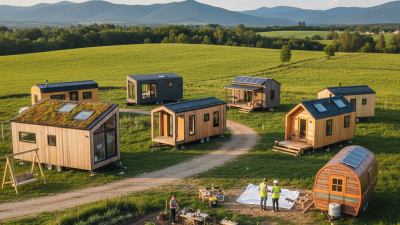
Top 10 Benefits of Folding Houses for Global Buyers?
As the world evolves, new living options arise, with "folding houses" leading the charge. Experts in the industry, like Helen Parker, often emphasize their potential: “Folding houses offer innovative solutions for modern living.” These homes balance convenience and sustainability.
Folding houses are designed for flexibility. These structures can adapt to various environments. This adaptability makes them appealing to global buyers. They provide practical solutions without sacrificing style. However, transitioning to this new lifestyle brings challenges worth noting. Not everyone comprehends the full potential of folding houses.
The benefits are compelling. Energy efficiency, cost savings, and space optimization are just a few. Still, buyers must consider local regulations and environmental impact. It's essential to weigh the pros and cons before embracing this trend. In an ever-changing world, folding houses could redefine the way we think about home.
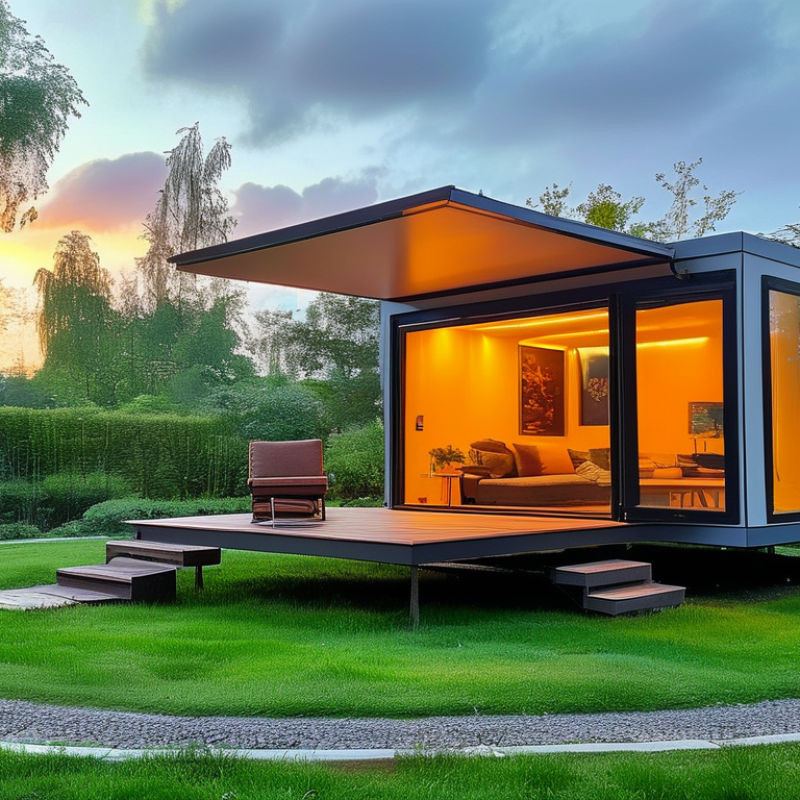
Benefits of Space Efficiency in Folding Houses for Global Buyers
Folding houses are gaining attention for their impressive space efficiency. These homes are designed to maximize functionality while occupying minimal land. This is particularly beneficial for global buyers looking to downsize or live in urban environments where space is a premium. By utilizing modular construction, folding houses can provide all the essential amenities within a compact footprint.
When considering a folding house, think about the layout. Open spaces enhance flow and utility. Choose multi-functional furniture that can adapt to different needs. It's crucial to prioritize storage solutions since space is limited. Adjustable shelving and hidden compartments can help keep areas tidy.
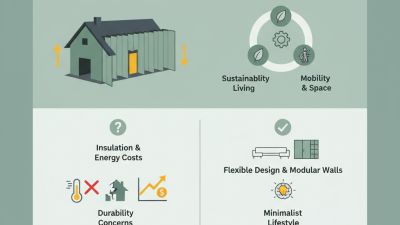
Another point to reflect on is the long-term sustainability of such homes. Compact living can reduce your ecological footprint. However, it’s essential to evaluate if it meets your lifestyle. Adapting to smaller spaces can be a challenge. Buyers should weigh the pros and cons before making a transition. A folding house can inspire a minimalist lifestyle but also requires embracing a new way of living.
Cost-Effectiveness of Folding Houses Compared to Traditional Homes
Folding houses are emerging as a disruptive innovation in the global real estate market. According to a report from the International Organization for Standardization, the construction and operational costs for folding houses can be as much as 50% less compared to traditional homes. This cost-effectiveness stems from reduced material usage and faster assembly times. For instance, while building a conventional home may take several months, folding houses can be set up in a matter of days.
One notable aspect is their energy efficiency. A study by the Environmental Protection Agency indicates that modular and folding houses often incur 20-30% lower energy costs due to compact designs and superior insulation. This adds considerable long-term savings for homeowners. However, potential buyers should consider limitations such as zoning laws and resale value. Folding houses might not appeal to everyone, and market perceptions can vary widely across regions.
Investors should also be aware of the resale landscape. While appreciation rates for traditional homes hover around 3-5% annually, folding houses may yield more volatile returns. This variability is partly due to limited market acceptance. As folding houses become increasingly prevalent, ongoing research and adaptation are crucial for establishing their long-term viability.
Sustainability and Environmental Impact of Folding Houses
Folding houses represent a significant shift in sustainable living. They are designed with minimal materials, reducing waste and environmental impact. This innovative housing solution allows for efficient use of space and resources, making it attractive for global buyers. By emphasizing modular construction, folding houses minimize energy consumption during production.
While the idea is promising, challenges remain. The durability of folding houses in varying climates is still a question. Can they withstand harsh weather conditions? Additionally, their resale value compared to traditional homes is uncertain. Some potential buyers may hesitate, fearing these homes lack permanence.
Moreover, the lifespan of folding houses needs more evaluation. Current designs often rely on lightweight materials, which can lead to faster wear and tear. It's essential to consider how these houses will perform over time. The environmental benefits are clear, but addressing these concerns is crucial for wider acceptance. Sustainable living is more than an architectural trend; it’s about finding balance and ensuring longevity in our choices.
Adaptability and Flexibility of Folding Houses for Diverse Needs
Folding houses offer remarkable adaptability and flexibility, making them a popular choice among global buyers. These structures can be customized to suit varying needs, from single-family homes to compact urban dwellings. The beauty of folding houses lies in their ability to transform based on the user's lifestyle. You can easily expand or contract the space as your requirements change.
Space efficiency is a crucial feature. Many designs utilize modular components, allowing for creative configurations. When planning your folding house, consider future needs. Sometimes, what seems sufficient now may not be enough later. This foresight can save both costs and hassle.
Maximizing natural light and ventilation can improve the living experience. Thoughtfully placed windows can enhance mood and energy. However, remember to balance aesthetics with practicality. Unintended consequences may arise if proper attention is not paid. Always reflect on your design choices to ensure long-term satisfaction.
Top 10 Benefits of Folding Houses for Global Buyers
Ease of Transportation and Installation for Global Buyers
Folding houses are gaining traction among global buyers due to their ease of transportation and installation. These homes can be packed compactly, making shipping to remote locations feasible. This design allows homeowners to receive their houses without the logistical nightmares typical of traditional construction. Just imagine the benefits of having a livable space ready in a matter of days, not months.
Installation is straightforward, often requiring minimal tools. Many buyers appreciate the ability to set up their homes quickly and efficiently. This aspect can be especially appealing in areas where housing shortages exist. However, not all locations are equal in terms of site preparation. Some may face challenges with local regulations or land suitability. Buyers should thoroughly assess their chosen site before proceeding with a purchase.
Moreover, while folding houses offer numerous advantages, they come with limitations. Buyers might find that available designs are not always customizable. There could be compromises on space or amenities compared to traditional homes. Understanding these aspects is crucial for informed decision-making. Ultimately, folding houses represent a modern solution to a persistent housing problem, though buyers should proceed with careful consideration.
Top 10 Benefits of Folding Houses for Global Buyers
| Benefit |
Description |
Impact on Buyers |
| Ease of Transportation |
Folding houses can be easily packed and transported anywhere. |
Reduces shipping costs and transit time. |
| Quick Installation |
These homes can be set up in a matter of days. |
Allows for rapid occupancy and utility access. |
| Cost-Effective |
Lower production and shipping costs lead to affordable options. |
Makes home ownership accessible to more buyers. |
| Sustainability |
Often made from eco-friendly materials. |
Appeals to environmentally conscious consumers. |
| Versatility |
Can be adapted for various uses - homes, offices, etc. |
Increases usage potential for buyers. |
| Minimal Land Requirement |
Requires less space compared to traditional homes. |
Ideal for areas with limited land availability. |
| Mobility |
Can be relocated easily as per buyer's needs. |
Effective for those needing temporary or mobile solutions. |
| Customizable Design |
Offers various design options to suit preferences. |
Enhances personal satisfaction and aesthetics. |
| Durability |
Built to withstand diverse environmental conditions. |
Assures buyers of longevity and value. |
| Community Integration |
Can be designed to fit into diverse communities. |
Promotes a sense of belonging among residents. |