
A Fluorocarbon Coated Aluminum Window is often chosen for its balance of durability, clean appearance, and practical performance. The coating can help aluminum resist fading, chalking, and weather-related wear, especially on exposed façades. It also offers a smooth finish that is easy to coordinate with different architectural styles. In daily use, that can mean less concern about peeling paint or a tired-looking frame. Details matter.
The coating alone does not determine a window’s quality. Aluminum profile design, thermal breaks, glass selection, drainage, and installation all affect comfort and service life. A well-finished frame cannot compensate for poor sealing or careless fitting. Buyers should compare coating specifications, color consistency, warranty terms, and maintenance guidance, rather than relying on broad claims. Where possible, ask suppliers for product data and examples of installations in similar climates. Not every finish lasts equally well.
This guide explores why fluorocarbon-coated aluminum windows may suit homes and commercial buildings, what benefits to expect, and which limitations deserve attention. Actual performance depends on the coating system, manufacturing quality, exposure, and upkeep. Even a premium surface can be scratched during handling, and repairs may not blend perfectly. A measured choice starts with the building’s needs, not the finish sample alone.
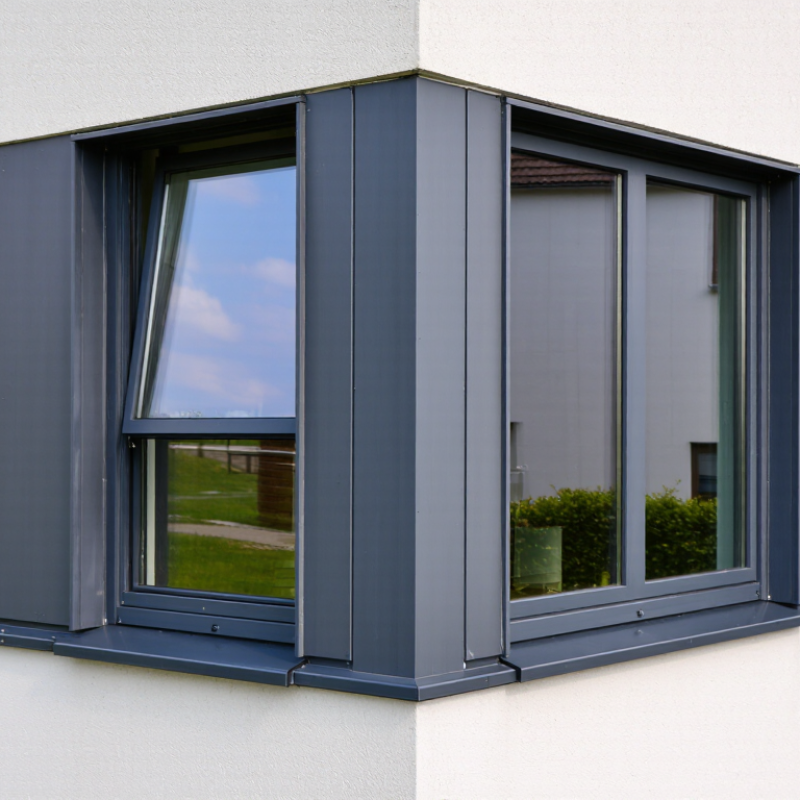
Fluorocarbon-coated aluminum windows are aluminum frames finished with a fluoropolymer-based coating. The coating is applied to prepared metal and cured to form a durable outer layer. It is not a separate frame material, and it does not change aluminum’s basic structure. The finish can provide color and help the surface resist weathering, fading, and everyday wear. Results depend on coating quality, preparation, and installation.
Look closely at the finish and frame details. A smooth, even surface matters, but so do drainage paths, corner joints, and seals around the glass. These parts help manage water and air; the coating alone cannot prevent leaks or improve a poorly fitted window. Fluorocarbon finishes are often chosen for exposed façades, though they may cost more than simpler finishes. That trade-off is worth checking against local weather and maintenance needs. It is not a guarantee of lasting color.
Tips: Ask for coating specifications and care instructions before buying. Check sample colors outdoors, since sunlight can change how they appear. Clean frames with mild soap and water; abrasive pads may mark the finish. A small detail, but an easy one to overlook.
A fluorocarbon coating creates a tough outer layer on an aluminum window frame. Its formulation helps the finish resist ultraviolet exposure, moisture, and airborne grime. This can slow fading and surface deterioration, especially on elevations exposed to strong sun or frequent rain. A darker frame on a sunny wall may absorb considerable heat. That matters.
Protection depends on more than the coating itself. Proper surface preparation helps the finish adhere evenly, while a compatible coating system supports long-term performance. Around corners, drainage openings, and frame joints, water can collect if installation or upkeep is poor. Even a high-quality coating cannot correct those details. Still, coatings are not magic.
Small chips and scratches deserve attention before they expose the metal underneath. Wash frames gently with water and mild detergent; abrasive pads may damage the finish. Check the lower frame edges and exposed corners during routine cleaning. A careful look after severe weather can reveal loose sealant or trapped debris. These checks are easy to overlook, but they help show whether the frame is aging normally or needs closer inspection.
Why Choose Fluorocarbon Coated Aluminum Windows?
Key Performance Properties of Fluorocarbon-Coated Windows
Fluorocarbon coatings help aluminum window frames retain their color and finish during prolonged outdoor exposure. Their resistance to ultraviolet light can reduce fading and chalking, especially on sunny elevations. On a south-facing wall, that difference may become visible after years of direct afternoon sun. The finish also helps protect the aluminum from moisture and airborne pollutants.
Durability depends on more than the coating itself. Surface preparation, application quality, and coating thickness all affect performance. In coastal settings, salt deposits can still accumulate around frame corners and drainage paths. Regular rinsing with clean water and a soft cloth helps remove grime without damaging the finish. Avoid abrasive pads; they can leave marks.
The surface is tough, not indestructible. A hard impact can dent the aluminum, and sharp tools may scratch the coating. It also cannot correct poor installation, failing seals, or thermal bridging. Those details matter. When comparing windows, ask how the finish is tested and maintained, and inspect exposed edges and joints. A minor drawback: darker finishes can become warm in strong sunlight, so color choice deserves practical thought.
Fluorocarbon coatings are valued for their resistance to weathering, helping aluminum window finishes retain their color and appearance outdoors. AAMA 2605 specifies a longer South Florida exposure benchmark than AAMA 2603 and AAMA 2604. These durations describe coating qualification tests—not a guaranteed service life for a window.
Source: AAMA 2603, AAMA 2604, and AAMA 2605 architectural coating performance specifications. Exposure durations shown are 1, 5, and 10 years, respectively.
A sun-facing apartment can have fading frames and warm rooms by late afternoon. In coastal areas, salty air and frequent rain also challenge exterior finishes. Fluorocarbon coatings help aluminum resist weathering and retain its appearance, though exposure, preparation, and maintenance still matter. They do not make a window immune to damage.
That distinction matters.
For homes, schools, and offices, the coating’s value is mainly durability, not insulation. The U.S. Department of Energy’s Energy Saver guidance estimates that windows account for 25–30% of residential heating and cooling energy use. That figure makes glazing and frame design important, but a coating alone will not reduce energy bills. Check rated U-factor and solar heat gain coefficient, and consider thermal breaks, glass type, orientation, and local climate. A cool-climate home may need different solar performance than a hot, sunny classroom.
In humid regions, durable finishes can reduce the frequency of repainting, especially on exposed elevations. In dry, high-UV locations, they help preserve color, but shade and color choice still affect surface temperatures. For large commercial buildings, consistent finishes can simplify upkeep across many windows. Still, specifications deserve scrutiny. Ask for coating test documentation, installation details, and a maintenance plan. Not a cure-all. A strong coating cannot correct poor sealing or badly fitted frames.
When comparing fluorocarbon coated aluminum windows, look beyond the finish color. Ask for documented coating-test results, including whether the finish meets AAMA 2605, a performance specification for coatings on architectural aluminum. Check the frame’s thermal break, glazing type, and NFRC-rated U-factor and solar heat gain coefficient. These ratings help compare insulation and solar performance across products. The U.S. Department of Energy estimates that heat gain and loss through windows account for 25–30% of residential heating and cooling energy use. A durable coating matters, but it cannot compensate for poorly chosen glass. Check the details.
Local exposure changes the priorities. Coastal salt, strong sunlight, wind-driven rain, and frequent temperature swings all affect the frame and finish. Ask how the coating system is tested, what surface preparation it requires, and what cleaning routine the supplier recommends. I would not treat any finish as maintenance-free; that assumption is tempting, but too neat. Installation deserves equal scrutiny: poor flashing or inadequate drainage can let water collect around the frame. Review the warranty for clear limits on fading, chalking, and corrosion, and confirm that installation conditions are covered. The best choice is the one whose tested finish, energy ratings, and installation details fit the building’s actual climate.
| Factor | What to Know | What to Check Before Choosing |
|---|---|---|
| Weathering and UV exposure | Fluorocarbon coatings are selected for their resistance to sunlight, weathering, and color change. Actual performance depends on the coating system, preparation, application, and exposure conditions. | Ask for the coating specification, documented test results, and warranty terms. Consider the building’s sun exposure and local climate. |
| Corrosion protection | A properly applied coating helps protect the aluminum surface, but it does not make the entire window immune to corrosion. Coastal salt, pollutants, and standing moisture can increase maintenance needs. | Check whether the finish is suitable for the project environment. Inspect drainage paths, joints, cut edges, and hardware materials. |
| Coating quality | Durability depends on more than the coating name: substrate preparation, primer and topcoat selection, film thickness, curing, and quality control all matter. | Request the specified coating system and applicable independent test or certification documents. Confirm how scratches and exposed edges are handled. |
| Maintenance | Coated aluminum frames generally need periodic cleaning to remove dust and pollutants. Gentle cleaning can help preserve appearance; abrasive pads and harsh chemicals may damage the finish. | Follow the fabricator’s cleaning instructions and check whether the proposed finish requires any special care. |
| Thermal performance | The coating itself is not a thermal break. Whole-window energy performance is influenced by frame design, thermal breaks, glazing, spacers, seals, and installation. | Compare rated whole-window U-factor and solar heat gain coefficient for the complete window, not just the frame material or finish. |
| Color and appearance | A wide range of colors and finishes may be available. Appearance can vary with gloss, texture, viewing angle, batch, and natural light. | Review a physical sample in the intended lighting. Confirm color consistency requirements and the process for approving production samples. |
| Cost and service life | Fluorocarbon finishes may cost more than some alternative finishes. The value depends on the project’s exposure, appearance requirements, maintenance plan, and expected service life. | Compare complete installed costs, finish warranties, exclusions, and repair options rather than comparing coating price alone. |
| Fabrication and installation | Transport, handling, cutting, drilling, and installation can affect a finished surface. Poor sealing or blocked drainage can also contribute to premature deterioration. | Confirm protective packaging, handling procedures, compatible sealants, drainage details, and installer experience with coated aluminum frames. |
| Best-fit applications | These windows can be a practical choice where a durable colored exterior finish and low routine maintenance are priorities, including projects with substantial outdoor exposure. | Weigh the finish benefits against budget, local climate, energy targets, design needs, and the performance of the complete window assembly. |