Why Choose the Big Blue Tarp for Your Outdoor Needs?
When planning an outdoor adventure, having the right gear is essential. One item that stands out is the Big Blue Tarp. This versatile tool can protect against the elements, making it a favorite among campers and hikers alike. Its size and robust nature make it suitable for various uses.
Imagine setting up camp on a wet ground. The Big Blue Tarp can serve as an effective moisture barrier. Whether you need it to cover equipment or provide shelter, this tarp proves its worth. Its vibrant blue hue is not only functional but also easy to spot in nature. Yet, one may question if a tarp can truly withstand harsh weather.
Many users have shared mixed experiences. While the Big Blue Tarp is generally durable, it’s essential to take care of it. Regular maintenance can prolong its life. Some might overlook this detail, but it’s crucial for reliability. Ultimately, the Big Blue Tarp combines practicality with a proven track record. It's a smart investment for anyone serious about enjoying the outdoors.
Understanding the Big Blue Tarp: Features and Benefits
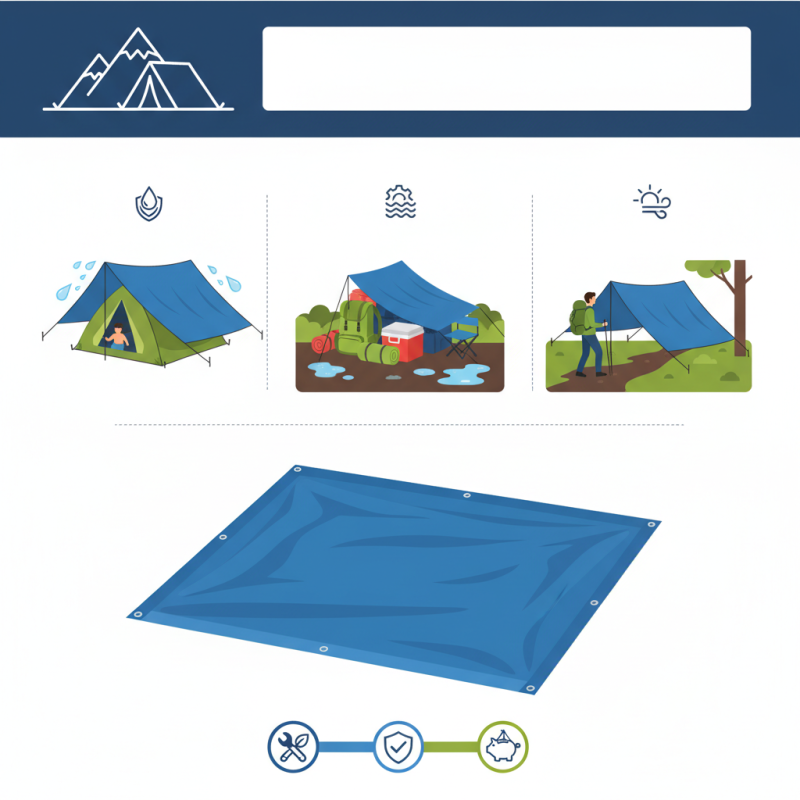
The Big Blue Tarp stands out in outdoor gear, offering features that cater to various needs. Its durable material resists tearing and ensures longevity. You can use it for camping, covering equipment, or as a ground sheet. The vibrant blue color enhances visibility, making it easy to spot in the wilderness. Users appreciate its versatility and strength in diverse weather conditions.
Another significant benefit is its lightweight nature. Even when wet, the tarp remains manageable, which is crucial for outdoor activities. Its reinforced grommets allow for easy securing in windy conditions. However, some users note that it can trap moisture underneath, which may lead to dampness. This aspect requires consideration when using it on wet ground. Despite this, many find that the tarp exceeds expectations in protecting gear and providing shelter. Each experience with the tarp can reveal its unique advantages and areas for improvement.
Durability and Weather Resistance of the Big Blue Tarp
When it comes to outdoor activities, durability is key. The Big Blue Tarp stands out for its resilience against various weather conditions. Made from tough materials, it can withstand heavy rain, strong winds, and even snow. Many outdoor enthusiasts trust it to protect their gear during unpredictable weather. Its sturdy construction ensures that it won’t easily tear or puncture.
Weather resistance is another vital aspect. The Big Blue Tarp is designed to repel water, preventing leaks and moisture buildup. This feature keeps your possessions dry and secure. The tarp also offers UV protection, shielding against harmful sun exposure. This means it won’t degrade quickly under sunlight, ensuring long-lasting use. Users have noted that its performance remains consistent over time, even after heavy use.
Some users find that choosing the right size can be challenging. A tarp that is too small may not offer adequate coverage. Additionally, uneven terrain can complicate setup, making it difficult to achieve the best angle for protection. Despite these minor issues, the reliability of the Big Blue Tarp often makes it worth the effort. Its ability to adapt to various outdoor scenarios enhances its reputation among those who prioritize practicality and durability.
Durability and Weather Resistance of the Big Blue Tarp
Versatile Uses of the Big Blue Tarp in Outdoor Activities
The Big Blue Tarp is an essential item for outdoor enthusiasts. Its versatility allows it to serve multiple purposes in various activities. For camping, it provides a reliable shelter from rain or sun. In fact, a report by the Outdoor Industry Association indicates that 60% of campers consider tarps as critical gear for a successful outing.
During picnics or beach trips, the tarp can create a clean and dry area. Its waterproof feature protects against damp ground, ensuring comfort. Moreover, when it comes to construction or gardening, the Big Blue Tarp is invaluable. It can cover tools, materials, or even provide a base for activities. A study by the American Society of Landscape Architects highlighted that using tarps reduces debris cleanup time by 30%.
Yet, some outdoor users might underestimate its importance and face poor weather unprepared. Others may overrely on tarps without considering weight and space in their packs. It's essential to evaluate how often you use it versus its weight—this balance can affect your experience. A well-considered approach is crucial for maximizing outdoor enjoyment.
Comparing Big Blue Tarps with Other Outdoor Covers
When it comes to outdoor covers, not all tarps are created equal. Big Blue Tarps stand out for their durability and versatility. Many outdoor enthusiasts prefer these tarps for their reliable protection against the elements. Unlike some cheaper alternatives, Big Blue Tarps are crafted from high-quality materials. This ensures they can resist tears and withstand harsh weather conditions. Other covers may fray or become brittle over time, making the Big Blue option a wiser investment.
Tips: Look for tarps with reinforced edges. This adds extra strength where you need it most. Always check the weight of the material. Heavier tarps often offer better protection and longevity.
Additionally, Big Blue Tarps excel in functionality. They are easy to set up and can serve multiple purposes. Some use them for camping, while others might use them for covering supplies during outdoor projects. In contrast, generic covers can lack versatility. They may not hold up well in high winds or heavy rain. This could leave your gear unprotected.
Tips: Make a list of your needs before buying. Consider size, weight, and intended use. Not every tarp can handle prolonged exposure to sunlight. Check for UV resistance to extend its lifespan.
Maintenance Tips for Extending the Life of Your Big Blue Tarp
Maintaining your Big Blue Tarp can significantly extend its lifespan. Research indicates that proper care can increase the durability of tarps by up to 30%. Regular cleaning prevents dirt and debris buildup, which can weaken the material. Use mild soap and water to clean your tarp. Rinse thoroughly and allow it to dry completely. This simple step keeps your tarp robust and ready for any outdoor task.
Storage plays a crucial role in maintenance. Fold your tarp neatly to prevent creasing and store it in a cool, dry place. Avoid exposure to direct sunlight for prolonged periods. UV rays can degrade tarp materials, reducing their lifespan. According to industry reports, tarps exposed to constant sunlight lose 50% of their strength in just one season.
Regular inspections are essential. Look for signs of wear, such as frays or tears. Small issues can lead to larger problems. Repair them promptly with tarp repair kits or duct tape. Investing a little time in upkeep goes a long way. Mismatched expectations can lead to dissatisfaction with performance. Developing a routine for these tasks ensures your tarp remains a reliable asset on every outing.