Top Reasons to Join the Tiny House Movement Today?
The tiny house movement is gaining momentum across the globe. People are embracing simplicity and minimalism. This shift reflects a growing awareness of sustainable living and financial freedom.
Imagine living in a cozy, well-designed space that fits your needs. Tiny homes encourage a deeper connection to nature and community. However, it's not all perfect. Downsizing can be challenging for many individuals. Letting go of possessions often requires significant introspection. Embracing this lifestyle means rethinking what is truly necessary.
Join the tiny house movement and discover a new way of living. Beyond aesthetics, it represents a lifestyle shift. While it brings benefits, it also poses questions about comfort and societal norms. This journey could lead to surprising insights about yourself and your priorities.
Benefits of Living in a Tiny House: A Sustainable Choice
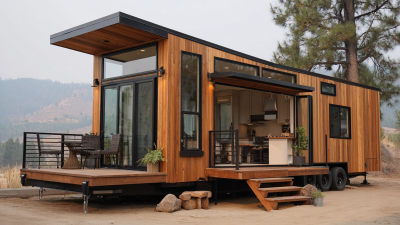
Embracing the tiny house movement brings numerous benefits, particularly in terms of sustainability. Living in a smaller space naturally reduces the consumption of resources. Tiny homes often use fewer materials, which minimizes waste. They require less energy to heat and cool, leading to lower utility bills and a smaller carbon footprint.
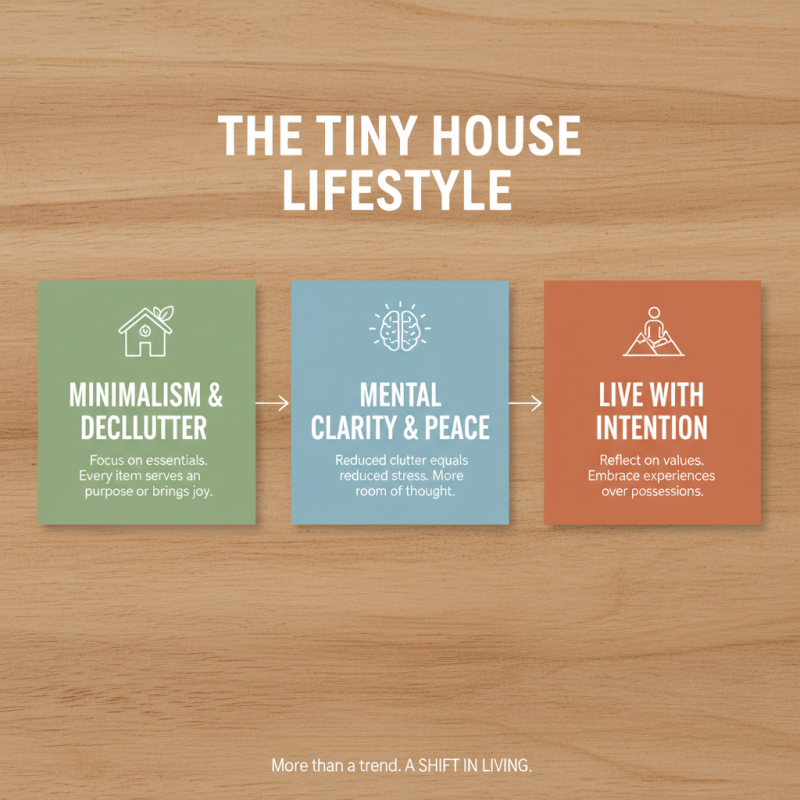
Moreover, tiny houses often encourage a simpler lifestyle. With limited space, individuals prioritize what they truly need. This can lead to a more mindful approach to possessions and a greater focus on experiences rather than things. However, downsizing can be a challenge. Letting go of belongings can provoke emotions and anxiety. It requires reflection on what truly matters in life.
Many tiny homes are built using eco-friendly materials, further enhancing their sustainability. Rainwater harvesting and solar panels are common features. Although these improvements may require initial investments, they promise long-term savings and benefits. While living in a tiny house has its drawbacks, such as limited space and potential issues with zoning laws, the positives can outweigh these concerns. It invites a new way to live, one that prioritizes sustainability and simplicity.
Top Reasons to Join the Tiny House Movement Today
This chart illustrates the top reasons people choose to join the tiny house movement, highlighting affordability, sustainability, minimalism, mobility, community aspects, and lower maintenance requirements.
Financial Freedom Through Tiny House Ownership
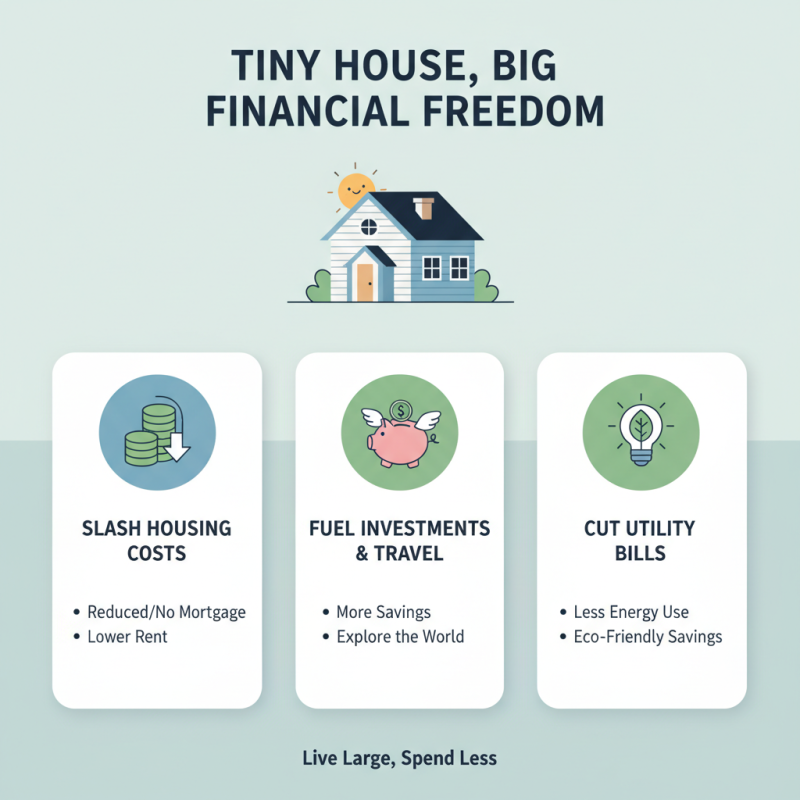
The tiny house movement is gaining momentum, particularly for those seeking financial freedom. Living in a smaller space drastically reduces monthly expenses. Imagine cutting down on rent or mortgage payments. This change can free up funds for investments or travel. Lower utility bills are another perk. Smaller homes require less energy, which can lead to significant savings over time.
However, downsizing requires careful planning. You may need to give up cherished belongings. Letting go can be difficult, even if it means gaining more freedom. Finding the right land for your tiny home can be challenging. Zoning regulations vary greatly and can complicate the process. These hurdles require patience and flexibility in your vision.
Embracing this lifestyle is about more than just finances. It’s about prioritizing what truly matters. Living simply may bring unexpected joy. You might discover that happiness comes from experiences, not possessions. The tiny house movement encourages a re-evaluation of what we value in life. It's a journey filled with both challenges and rewarding experiences.
Community and Lifestyle: The Social Aspects of Tiny Living
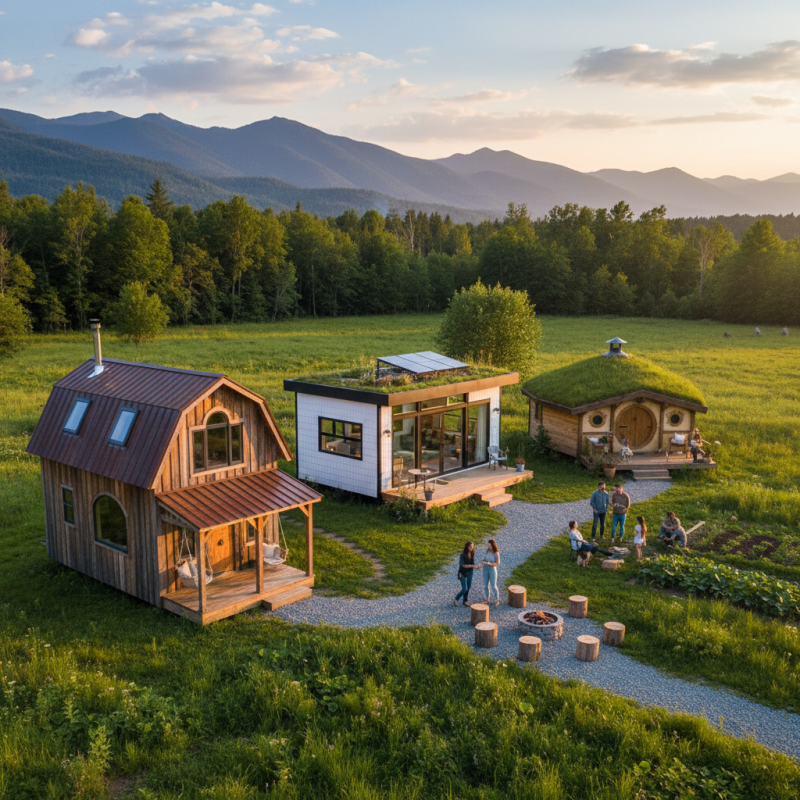
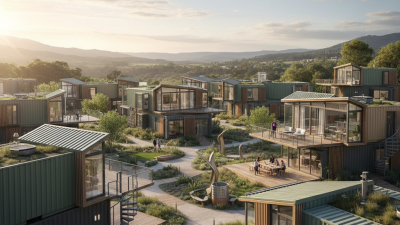
The tiny house movement is more than a trend; it cultivates a unique sense of community. Living in a small space necessitates collaboration. Neighbors often help each other with chores or share resources. This creates bonds that are rare in traditional neighborhoods. The intimate setting encourages gatherings. When you have a barbecue in your tiny backyard, it feels like a larger family celebration.
Living small allows for personal connections at a deeper level. There’s little room for excess, which means fewer distractions. You see your neighbors more often, and the conversations flow easily. However, it's important to note that sharing close quarters comes with challenges. Conflicts can arise over noise or space. Learning to communicate openly is crucial. Reflection on these experiences can enhance relationships.
Tiny living fosters a lifestyle focused on intentionality. With limited resources, people often prioritize shared experiences over material possessions. However, it requires commitment and adaptability. Some struggle with the downsizing process or letting go of belongings. The movement attracts diverse individuals. Each person brings their story, enriching the community tapestry. It’s a path worth exploring, despite its imperfections.
Environmental Impact: Reducing Your Carbon Footprint in a Tiny House
The tiny house movement is gaining momentum as people seek eco-friendly living. One major reason is its positive environmental impact. Living in a tiny house can significantly reduce your carbon footprint. According to recent studies, a tiny home requires 45% less energy to heat and cool compared to a traditional house.
Using minimal space means fewer materials and resources are needed for construction. This shift conserves timber, metal, and plastic. The average tiny home uses about 40% less water than standard homes, making a big difference in water conservation efforts. Smaller living means a smaller ecological footprint. Additionally, tiny homes often promote more sustainable practices like composting and gardening.
Tips: Consider converting waste into resources. Start composting your kitchen scraps. Look into rainwater collection systems to reduce water consumption.
A tiny lifestyle does require sacrifices. Minimalism is challenging; it forces you to evaluate your needs versus wants. Many people enjoy the freedom of downsizing, but it can feel overwhelming to let go of possessions. Reflection is key in this transition, as one must adapt to a new way of living. Embrace the change, but be aware of what you're giving up.