
Designated supplier of the world's top 500 smart houses

China Top Sesame White Granite Suppliers and Prices

Sesame White Granite is valued for its pale ground, fine gray flecks, and practical versatility. In a bright kitchen, those details can soften the look of white cabinets. On a commercial floor, consistent batches matter more than a single attractive sample. The stone is not perfectly uniform. That is part of its character, but it also requires careful selection.

China’s suppliers offer Sesame White Granite in multiple finishes, thicknesses, and formats. Buyers should compare more than the quoted slab price. Ask about quarry origin, block selection, finish, edge work, packaging, and delivery terms. Request recent photographs and a physical sample when possible. Then confirm that the approved sample matches the production batch. Small color shifts can be noticeable across a large installation.

Prices vary with grade, dimensions, finish, order volume, and shipping arrangements. A low initial quote may exclude fabrication or protective packing. Check the full specification before comparing offers. Ask for written details. Keep the comparison practical.

A verified expert name or quotation was not included in the supplied material, so I cannot responsibly attribute a statement to a named specialist. This guide instead focuses on verifiable purchasing checks and clear cost factors. For a stronger introduction, provide a source-backed expert quotation and name. Buyers should still remember one point: inspect the stone, not just the listing.
China Top Sesame White Granite Suppliers and Prices

Sesame White Granite: Composition, Appearance, and Common Uses

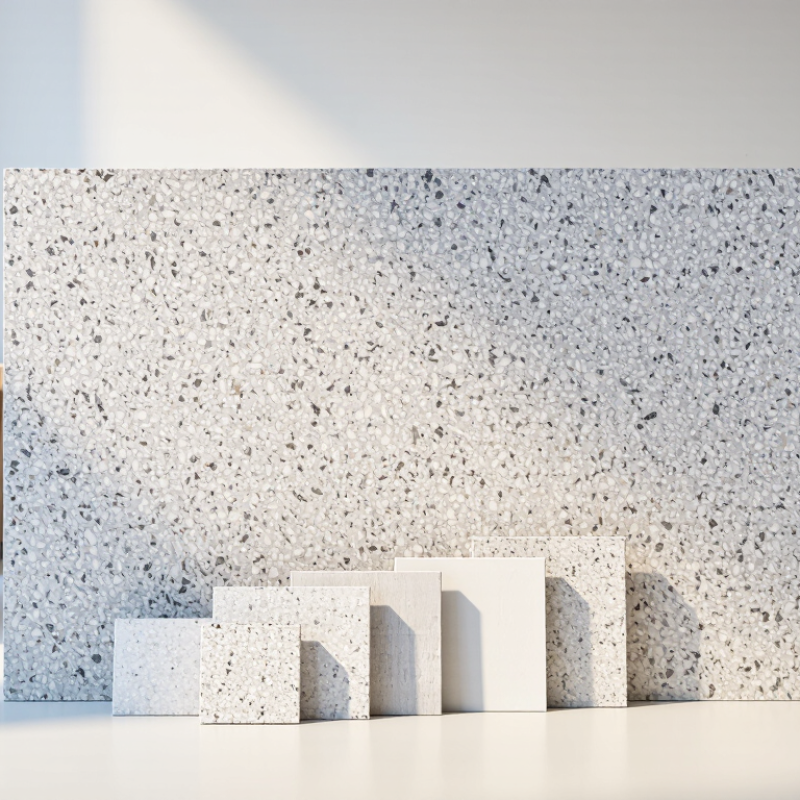
Sesame White Granite is a natural stone with a light gray to creamy-white background, usually scattered with darker mineral grains. Its visible pattern comes from interlocking minerals, commonly including quartz, feldspar, and mica. The grains may appear as fine specks or larger charcoal-colored flecks. No two slabs are exactly alike. That matters when matching a countertop to a backsplash or joining pieces across a wide island.

The pale surface brightens kitchens and bathrooms, while its speckling helps soften small marks in everyday use. Polished slabs show sharper reflections; honed finishes look quieter and feel less glossy. The stone is commonly used for countertops, flooring, stair treads, and exterior cladding, provided the selected finish suits the location. Sealing can help limit staining, but it does not make granite stain-proof. Spills still deserve prompt attention.

“White” can be misleading. Some slabs lean cool gray, while others carry warmer beige tones, so checking a full slab under the room’s lighting is more useful than judging a small sample. Ask suppliers to confirm the available finish, thickness, and slab batch before comparing prices. Even careful inspection cannot remove every natural variation; that is part of the appeal, and sometimes a challenge.

Quarrying and Processing of Sesame White Granite in China

Sesame White is a trade name, and its appearance can vary between quarry areas and extraction benches. In China, quarry teams assess exposed stone for color, grain, natural fractures, and usable block size. Overburden is cleared, then diamond wire saws and drilling methods separate blocks from the rock face. Careful cutting helps reduce damage, but natural fissures can still limit the yield.

At the processing plant, blocks are sawn into slabs or cut to project dimensions. Slabs may be calibrated and polished, honed, or flamed, depending on the intended use. Small dark mineral flecks and cloudy patches are normal features, not necessarily defects. Still, the trade name can mislead. Buyers should compare samples from the same production lot and inspect full slabs under consistent lighting. Stone is heavy. Packaging matters.

A useful quality review checks thickness, surface finish, edge condition, and visible cracks. Water absorption and flexural strength tests can help assess suitability for flooring or exterior applications. Ask for test results tied to the actual material, not a generic product sheet. Pricing depends on block yield, slab thickness, finish, size, and packing requirements. Exact shade matching across separate quarry lots may be difficult, so ordering extra material can be sensible, though it increases cost.

China Sesame White Granite: Common Slab Thicknesses

The chart shows commonly used nominal thickness options for granite slabs. Actual Sesame White Granite availability and specifications vary by quarry, finish, and order; these figures are not supplier quotations or prices.

Major Supplier Regions and Manufacturer Types in China

China’s sesame white granite supply is concentrated in several stone-working belts, not one single district. Fujian, especially Nan’an and Shuitou, combines quarry access, cutting workshops, and large material markets.

Shandong’s Laizhou area is another established processing base, while Guangdong’s Yunfu serves domestic projects and export orders. These clusters make comparison easier. Yet the same name can describe slabs with different grain size, background tone, and black speck density.

Manufacturer types matter as much as location. Quarry-integrated suppliers can track block selection and offer more consistent batches, but their stock may be limited. Processing factories often provide custom thickness, polished or flamed finishes, and cut-to-size pieces. Trading yards usually offer broader selections and faster sampling, though buyers should confirm slab origin and batch consistency.

Grand View Research estimated the global natural-stone market at about US$33.5 billion in 2023, indicating a sizable market, but this figure does not measure Chinese granite output specifically. Ask for recent slab photos, thickness tolerances, and the crate list. Check them against the sample. Small color shifts happen.

A useful caution: supplier-region labels alone do not prove quarry origin, and that distinction is easy to overlook.

Key Factors That Shape Sesame White Granite Prices

Sesame White granite prices depend on more than the stone’s base rate. Quarry location, block quality, and availability can change the cost before fabrication begins. A slab with a consistent pale background and evenly distributed dark grains may command more than material with visible color shifts or resin-filled areas. Inspect several slabs under clear light. Small samples can hide variation.

Thickness and finish also affect the quote. A 20 mm polished slab generally uses less stone than a 30 mm slab, while honed or flamed finishes require different processing. Custom edges, cutouts, and unusual dimensions add labor and may increase offcut waste. Details matter. Ask whether pricing covers fabrication, crating, and inland transport, or only the stone itself.

Shipping from China adds another variable. Container space, packaging, route, and delivery distance can change the landed cost, so compare itemized quotations rather than headline prices. For a fair comparison, provide matching drawings, thickness, finish, and quantity to each supplier. Request recent photos of the actual lot and confirm how breakage or shade variation is handled. Even careful checks cannot remove every difference between slabs; that is worth planning for.

How to Evaluate Suppliers and Compare Quotes

When comparing China sesame white granite suppliers, request quotes against one written specification. Name the finish, slab thickness, usable dimensions, edge treatment, and acceptable color range. Sesame white varies between blocks. Ask for current-lot photos and a physical sample; inspect the grain under neutral light. Small chips can disappear in a photograph.

The U.S. Geological Survey’s 2024 Mineral Commodity Summaries estimated U.S. dimension-stone production at roughly 2.4 million tons in 2023, worth about $470 million. That figure covers many stone types, not sesame white granite, so it is context—not a direct price benchmark. Compare delivered cost per usable square meter, including packing, freight, breakage allowance, and any finishing charges. Ask suppliers to disclose the quarry or block source and provide recent test reports for water absorption and strength. ASTM C615/C615M offers a granite specification reference; confirm that test methods and results match your project.

Check what the quote excludes. A low slab price may omit crating or replacement terms. Request a loading list, lead time, payment schedule, and written tolerances. For a large order, approve a production sample and retain it for comparison. One limitation remains: photographs cannot fully predict how a polished surface will look across an entire shipment. Price alone is a poor guide.

China Top Sesame White Granite Suppliers and Prices - How to Evaluate Suppliers and Compare Quotes

Use this comparison sheet to evaluate written quotations for Sesame White Granite. Enter current, project-specific figures from each supplier; prices vary with slab selection, thickness, finish, order quantity, packing, and shipping terms.

Comparison item What to verify Quote A Quote B Quote C
Material and appearance Confirm the commercial stone name, country of origin, color range, and whether photographs or samples represent the actual lot. Natural stone varies between blocks. Record details / attach sample reference Record details / attach sample reference Record details / attach sample reference
Product format Specify slabs, cut-to-size pieces, tiles, or project components. Compare the same format, dimensions, and quantity across quotes. Format and dimensions: __________ Format and dimensions: __________ Format and dimensions: __________
Thickness Common requested options include 18 mm, 20 mm, and 30 mm. Confirm the specified finished thickness and permitted tolerance in writing. _____ mm; tolerance: _____ _____ mm; tolerance: _____ _____ mm; tolerance: _____
Finish and edge work State the surface finish (for example, polished, honed, or flamed) and list any edge profile, cut-outs, sealing, or fabrication included. Finish / processing: __________ Finish / processing: __________ Finish / processing: __________
Quoted stone price Request the price per square metre or per piece, currency, quoted quantity, and quote validity date. Compare identical specifications and units. Price: _____ / unit: _____ Price: _____ / unit: _____ Price: _____ / unit: _____
Order quantity and minimum Record the quoted quantity, minimum order quantity, and any price adjustment for a different order volume. Quoted qty: _____; MOQ: _____ Quoted qty: _____; MOQ: _____ Quoted qty: _____; MOQ: _____
Packing and shipment Check packing method, packing charge, shipment point, delivery destination, and named Incoterms® rule and place (such as FOB or CIF). Packing: _____; term/place: _____ Packing: _____; term/place: _____ Packing: _____; term/place: _____
Additional landed costs Add applicable freight, insurance, customs duties, taxes, port charges, and local delivery. Confirm which costs are excluded from the quotation. Estimated extras: __________ Estimated extras: __________ Estimated extras: __________
Lead time and payment Confirm production time, dispatch estimate, payment schedule, and the point at which lead time begins. Lead time: _____; payment: _____ Lead time: _____; payment: _____ Lead time: _____; payment: _____
Quality checks and documents Ask for lot photographs, dimensional inspection details, agreed acceptance criteria, and any available test reports or export documents relevant to the order. Checks / documents: __________ Checks / documents: __________ Checks / documents: __________
Comparable delivered total Compare the total cost for the same specification and destination: stone + processing + packing + freight + insurance + applicable import and delivery costs. Total: __________ Total: __________ Total: __________

Price note: This table intentionally contains no invented supplier prices. Request dated quotations for the same material selection, dimensions, quantity, delivery destination, and trade term before comparing totals.

  • Wechat