How to Choose a Foldable House for Your Global Needs?
In today’s fast-paced world, the demand for flexible living solutions has surged. The concept of a "foldable house" has gained attention as an innovative answer to evolving housing needs. According to a report by Grand View Research, the global modular construction market is projected to reach $157.2 billion by 2024. This growth reflects a shift towards sustainable and adaptable living spaces.
Foldable houses offer unique advantages. They can be assembled quickly and relocated with relative ease. Their compact nature makes them suitable for urban environments facing space constraints. However, challenges exist. The durability of materials and overall structural integrity are critical factors to evaluate. Reports suggest that not all foldable houses are designed with the same quality standards, leading to varying levels of safety and comfort.
As you explore options, consider your specific needs. Is it for temporary housing, a vacation retreat, or a long-term solution? Each application will require different design features and functionalities. The right foldable house can enhance your living experience, but careful reflection on choices is essential. Balancing convenience with reliability will lead to more informed decisions in your journey towards innovative living.
Understanding Your Global Living Requirements
When considering a foldable house, it's crucial to understand your global living requirements. Demographic trends show that urban populations are growing. By 2050, about 68% of people will live in cities, according to the UN. This urban shift creates an urgent need for adaptable housing solutions.
Foldable homes offer flexibility in various climates. For instance, a lightweight structure can be assembled in a day, providing immediate shelter. Reports indicate that the construction time for traditional homes can take months. This is a stark contrast that highlights the speed and adaptability of foldable designs. Each foldable house must withstand local weather. In regions prone to hurricanes, materials should offer fire and wind resistance.
However, buyers must reflect on their lifestyle. Is mobility a priority? Some might choose foldable designs for travel, while others seek long-term stability. The average lifespan of a foldable house can vary, often ranging from 10 to 30 years based on material usage and maintenance. Understanding these nuances is vital for making a sound investment. Additionally, the environmental impact of building materials should not be overlooked, as sustainable options are increasingly preferred. Continuous assessment of these factors will help in making informed decisions for your ideal living solution.
How to Choose a Foldable House for Your Global Needs?
| Criteria |
Description |
Importance Level |
| Size |
Consider the number of occupants and available space. |
High |
| Material |
Durability and sustainability of materials used for construction. |
Medium |
| Climate Adaptability |
Ability to withstand local weather conditions. |
High |
| Portability |
Ease of transport and assembly in different locations. |
High |
| Cost |
Total investment required including shipping and setup. |
High |
| Design Flexibility |
Possibility to customize layouts and features. |
Medium |
| Energy Efficiency |
Incorporation of eco-friendly technologies for energy savings. |
Medium |
| Local Regulations |
Compliance with zoning and building codes in different regions. |
High |
Evaluating Different Types of Foldable Houses
When selecting a foldable house, it’s crucial to assess the various types available. Each design caters to specific needs. For instance, some models are tailored for quick assembly and enhanced mobility, ideal for individuals on the move. Others might focus on sustainability, using eco-friendly materials. These features can heavily influence your choice, depending on how you plan to use the space.
We must also consider the size and layout of the foldable house. Smaller units might suit solo travelers better, while larger configurations can accommodate families. It's beneficial to visualize how you intend to live in the space. Reflecting on your daily activities can guide your decision. For example, do you need a dedicated workspace? A kitchen? These functional details impact your comfort and satisfaction long-term.
Ultimately, the choice of a foldable house should align with both practical and emotional needs. Evaluate what feels right for you. Keep in mind, each option comes with its strengths and weaknesses. Do thorough research and possibly seek input from others who have experience with such homes. Their insights may save you from overlooking vital aspects.
Comparison of Different Types of Foldable Houses Based on Key Features
Identifying Key Features for Versatility and Comfort
When selecting a foldable house, focus on features that enhance both versatility and comfort. Consider the space layout. A well-designed floor plan should allow for flexible use of areas. Think about how you will live in the space. This can involve cooking, sleeping, or socializing. Each area should feel purposeful and cozy.
Materials used in construction are vital. Look for options that are durable yet lightweight. This ensures easy transport and longevity. Insulation is also essential for comfort. A properly insulated home will maintain a stable temperature, regardless of external weather conditions. The ability to adapt the house to different climates can significantly improve living experiences.
Additionally, incorporate energy-efficient features. Solar panels can provide sustainable power. A foldable house with good ventilation can improve air quality. These details contribute to a healthier living environment. Reflect on your needs and future aspirations. Choosing a foldable house is not just about immediate comfort, but also long-term satisfaction.
Considering Budget Constraints and Investment Potential
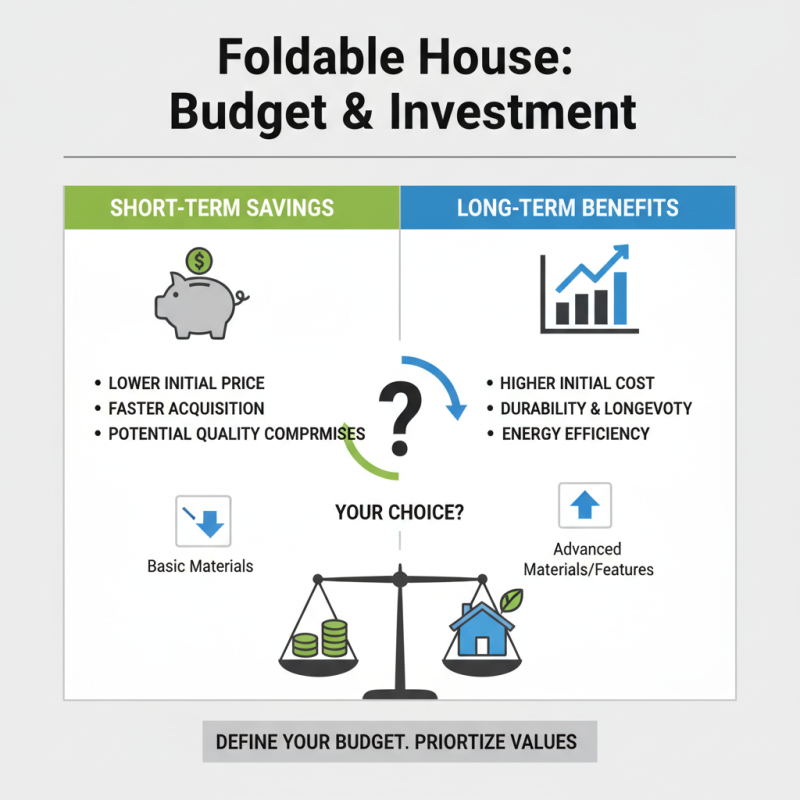
When considering a foldable house, budget constraints are paramount. Prices can vary significantly based on size, materials, and features. It's crucial to define your budget early on. A lower price may lead to compromises in quality. On the other hand, a more expensive model could offer better longevity and energy efficiency. Decide what you value most: short-term savings or long-term benefits.
Investment potential is another important factor. A foldable house can serve multiple purposes, such as a vacation retreat or a rental opportunity. Think about the location. Homes in popular tourist areas often have better resale values. However, be cautious. Not every foldable house appreciates in value. Research the market trends thoroughly before making a commitment.
While foldable homes can be a smart investment, they come with risks. Inspect the construction quality and materials used. If a design seems convenient, it might not stand the test of time. Reflect on your lifestyle needs and future plans. A house should evolve with you, not become an overlooked burden. Investing wisely today will pay off in the future, but only if you take the time to analyze all factors.
Assessing Transportation and Setup Logistics for Mobility
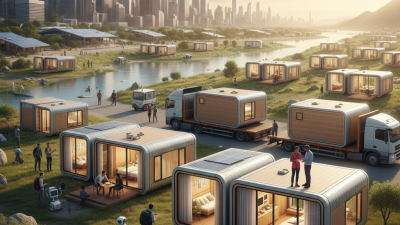
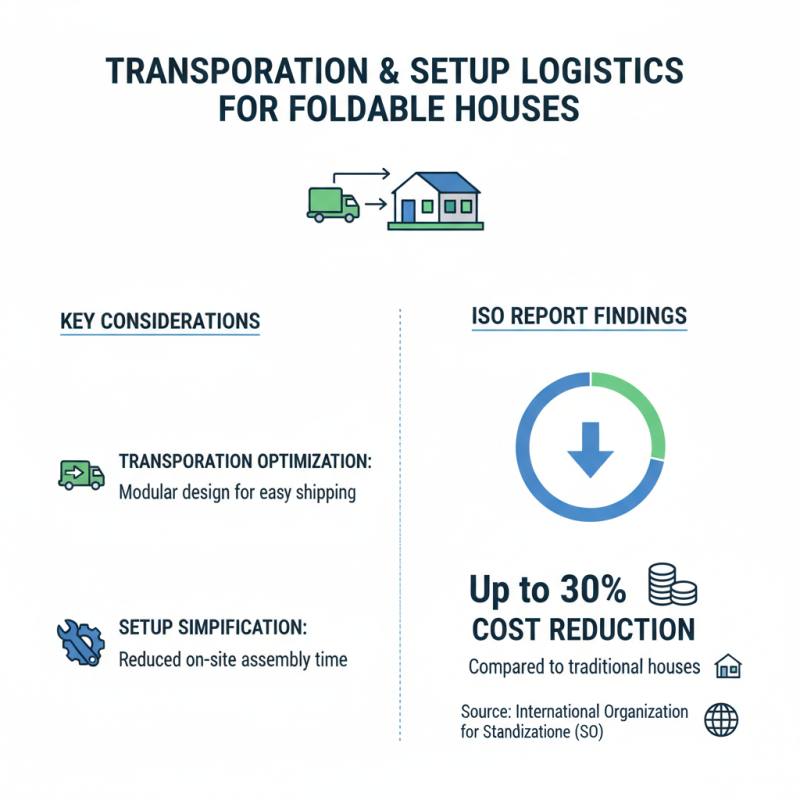
When choosing a foldable house, transportation and setup logistics are crucial. These portable homes often come in modular designs, which directly influence their mobility. According to a report by the International Organization for Standardization (ISO), portable structures can reduce transportation costs by up to 30% compared to traditional houses. This is primarily due to their streamlined design that optimizes shipping loads.
Setting up a foldable house is another factor to consider. A study by the World Housing Forum found that efficient setup can be completed in less than 48 hours. However, some designs require complex assembly, leading to potential delays. It’s important to evaluate whether you have the necessary skills or resources for assembly. Delay can lead to increased costs and dissatisfaction with the purchase.
Moreover, location plays a significant role in logistics. A foldable house suitable for a village may not perform well in urban environments due to zoning laws and space constraints. Adapting to different terrains and climates can also pose challenges. This highlights the necessity of thorough research into both the product and the intended site. Rushed decisions can lead to unmet expectations in usability and comfort.