2026 Best Integrated Ceiling Lights for Every Home Style?
In the ever-evolving world of home design, lighting plays a crucial role. Integrated Ceiling Lights have emerged as a preferred choice for many homeowners. Renowned lighting expert, John Smith, emphasizes this trend by stating, “Integrated Ceiling Lights seamlessly blend form and function.” This highlights the importance homeowners place on both aesthetics and practicality.
These fixtures offer solutions that cater to various styles. From sleek modern designs to rustic charm, Integrated Ceiling Lights can enhance any room. They provide bright, even illumination, which is essential for creating inviting spaces. Choosing the right lighting can often be overwhelming. However, understanding the diverse options available can make the selection process easier.
Experienced designers suggest considering the overall ambiance each space requires. Integrated Ceiling Lights can indeed transform a room's atmosphere. Yet, there are challenges. Selecting the wrong design can clash with the home's style. Reflecting on these elements can lead to a more informed choice. Ultimately, Integrated Ceiling Lights are more than just fixtures; they are crucial elements in designing a harmonious home.
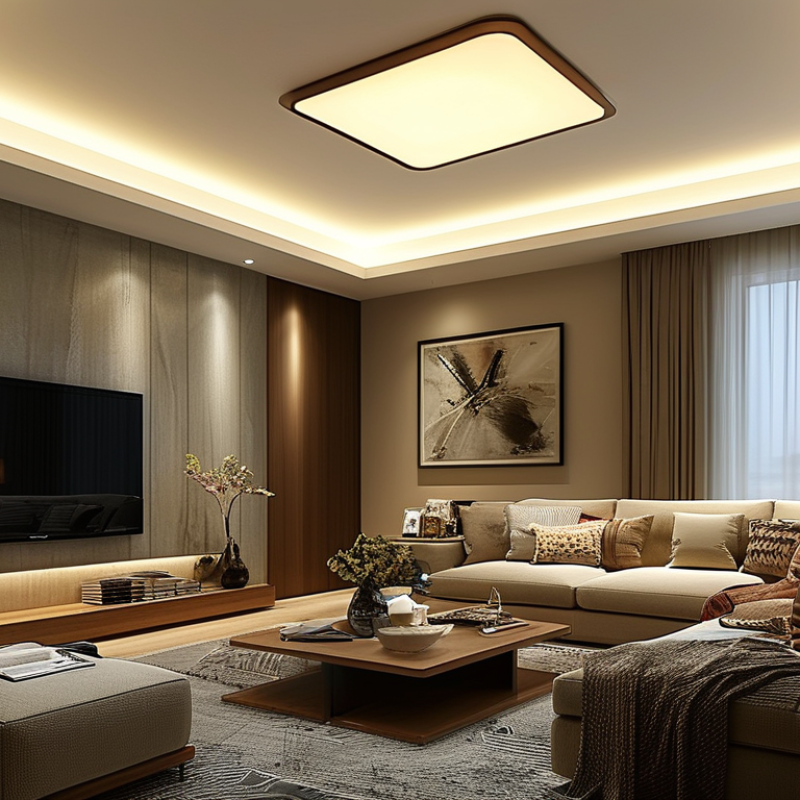
Key Features to Consider When Choosing Integrated Ceiling Lights
When selecting integrated ceiling lights, several key features demand consideration. Brightness is crucial. Opt for lights with adjustable lumens. Most homes use a range between 300 to 800 lumens per fixture, depending on room size and function. Dimming capabilities enhance versatility. They allow for mood adjustments, essential for living spaces.
Color temperature also matters. A warmer light (around 2700K) suits cozy settings, while cooler tones (up to 5000K) are ideal for task-focused areas. Balancing these may seem complex. Yet, it becomes intuitive when a homeowner considers their lifestyle.
Tips: When in doubt, choose adjustable fixtures. They provide flexibility across diverse occasions. Not every home needs the same lighting style. Reflect upon your needs and space constraints.
Energy efficiency is another factor. Integrated LED lights outperform traditional options. They consume up to 75% less energy, which impacts your bills. Additionally, their lifespan often exceeds 25,000 hours, reducing the frequency of replacements. However, not all LEDs deliver consistent quality. Research manufacturers’ specifications to identify credible options that align with your requirements.
2026 Best Integrated Ceiling Lights for Every Home Style - Key Features to Consider When Choosing Integrated Ceiling Lights
| Style | Lumens | Color Temperature | Dimming Capability | Energy Efficiency | Material |
| Modern | 3000 Lumens | 3000K | Yes | A+ | Aluminum |
| Industrial | 4000 Lumens | 4000K | No | A | Steel |
| Traditional | 2500 Lumens | 2700K | Yes | A+ | Wood |
| Contemporary | 3500 Lumens | 3500K | Yes | A++ | Glass |
| Scandinavian | 2800 Lumens | 3000K | No | A+ | Natural Fiber |
Popular Integrated Ceiling Light Styles for Contemporary Homes
Integrated ceiling lights have become a popular choice for contemporary homes. These fixtures blend seamlessly with ceilings, providing a clean and modern look. According to industry reports, over 75% of new home constructions incorporate this lighting style. They offer versatile designs that cater to various aesthetic preferences.
One appealing aspect of integrated ceiling lights is their energy efficiency. Many modern designs feature LEDs, which consume up to 75% less energy than traditional bulbs. This shift not only reduces electricity bills but also diminishes environmental impact. When choosing lights, consider the color temperature. Warmer tones can create a cozy atmosphere.
Tips for selecting integrated ceiling lights include assessing the size of your space. A large room may require multiple fixtures for adequate illumination. Additionally, think about your decor style. Minimalist fixtures enhance modern interiors, while more intricate designs suit eclectic spaces.
These lights can sometimes be difficult to install. It's crucial to hire a qualified electrician. Improper installation can lead to safety issues. Taking time to select the right style is worth it for long-term satisfaction.
How to Match Integrated Ceiling Lights with Home Décor Themes
When considering integrated ceiling lights, it's essential to match them with your home décor themes. A recent report highlighted that lighting contributes to up to 30% of a home’s overall aesthetic appeal. This emphasizes the importance of selecting the right light fixtures. For instance, minimalistic designs fit well with modern décor, while ornate fixtures can enhance traditional spaces.
Texture and color play crucial roles in this process. Soft, warm tones in integrated lights complement rustic designs. In contrast, sleek, chrome finishes add elegance to contemporary styles. A survey revealed that 75% of homeowners find that lighting directly affects their mood. Therefore, understanding the relationship between fixtures and their surrounding elements is vital.
Moreover, lighting can be functional as well as decorative. Placing lights at varying heights can create depth in a room. This method can draw attention to specific areas, making the space feel larger. However, it’s easy to overlook aspects like light intensity and zoning. Balancing these factors requires reflection and trial, ensuring that your choice enhances your overall design narrative.
Installation Tips for Integrated Ceiling Lights in Different Spaces
Installing integrated ceiling lights can transform different spaces in your home. In kitchens, focus on brightness. Use multiple fixtures to create an even glow. Ensure the lights are positioned above the countertops. This placement helps with food preparation and cooking.
In living rooms, consider ambiance. Install dimmable lights for versatility. Cluster fixtures in layers to enhance the room’s depth. You might want to avoid overly bright setups, as they can feel harsh. Also, think about the color temperature. Warmer tones create a cozy vibe, ideal for relaxation.
For bedrooms, placement is key. Center the light above the bed for balanced illumination. Adding bedside fixtures can complement the overhead lights. Remember to think about shadowing. Your goal should be to eliminate dark corners. Reflect on how these details affect your comfort.
Energy Efficiency and Smart Technology in Modern Ceiling Lighting
Modern ceiling lights enhance both style and functionality. Focusing on energy efficiency and smart technologies can revolutionize your home lighting. LED lights consume less energy and last longer than traditional bulbs, making them a wise choice for homeowners.
Integrating smart technology into ceiling lighting provides flexibility. Smart bulbs allow you to control brightness and color from your devices. Imagine adjusting your light settings for movie nights or creating a calming atmosphere for relaxation—all at your fingertips.
**Tip:** Consider dimmable smart lights that match your interior. More brightness doesn’t always equal better lighting. It may help to have layers of light, mixing ambient and task lighting for an inviting space.
However, it’s essential to assess your actual needs. Choosing the wrong fixtures can lead to regret. Invest time in planning your space. Evaluate how each room is used. Not every area requires intense lighting, and overilluminating can create discomfort.