Top 10 Benefits of Using Ceramic Materials for Manufacturing?
In the realm of manufacturing, Ceramic Materials have gained immense popularity. One prominent expert in this field, Dr. Emily Carter, who specializes in materials science, asserts, "Ceramic materials offer unique advantages that traditional metals and plastics cannot match." This statement reflects the growing appreciation of ceramics in various industries.
Ceramic materials excel in applications requiring durability and heat resistance. Their lightweight nature combined with high strength makes them ideal for many uses. However, some may question their cost and brittleness. Balancing these aspects can be challenging. Understanding when to utilize ceramics can lead to significant advancements in product performance.
Innovations in ceramic processing are continuously emerging. These materials are now found in electronics, aerospace, and even healthcare. As industries evolve, so does the demand for reliable and efficient materials like ceramics. Exploring the benefits of ceramic materials can reveal their crucial role in shaping the future of manufacturing.
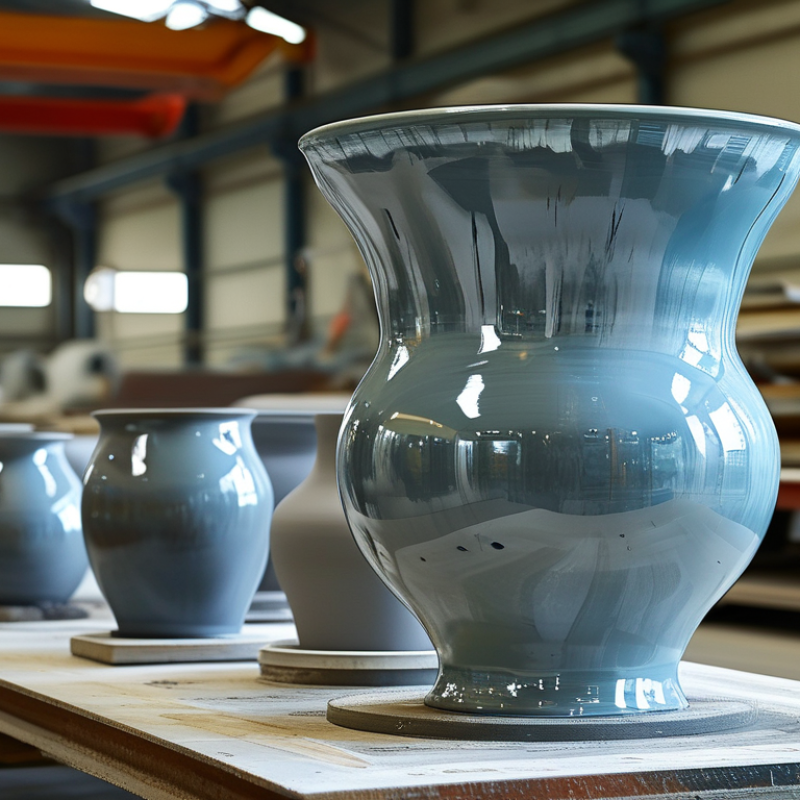
Benefits of Ceramic Materials in Manufacturing: An Overview
Ceramic materials are gaining popularity in manufacturing due to their unique properties. They offer high resistance to wear, heat, and corrosion. This makes them ideal for applications in various industries, from aerospace to medical devices. The ability of ceramics to withstand extreme conditions leads to longer product lifespans. This can reduce costs and improve efficiency for manufacturers.
When considering ceramic materials, it’s essential to evaluate their mechanical properties. Look for materials with high flexural strength. This ensures they can handle stress without breaking. It’s also worth exploring different types of ceramics, such as alumina or zirconia, depending on your specific needs.
Tips for using ceramics effectively: always test their performance under real conditions. Understand that ceramics can be brittle. This means careful handling is necessary during production and assembly. Also, evaluate the surface finish and porosity, as these can affect performance. Failing to do so might lead to unexpected failures during use. Experimentation and feedback can help you refine your approaches and selection.
Top 10 Benefits of Using Ceramic Materials for Manufacturing
| Benefit | Description |
| High Hardness | Ceramics are extremely hard, making them resistant to wear and tear. |
| Chemical Resistance | They are not affected by acids and alkalis, suitable for harsh environments. |
| Thermal Stability | Maintain strength at high temperatures, ideal for high-temperature applications. |
| Low Density | Lightweight, which can reduce overall manufacturing costs and facilitate easier handling. |
| Electrical Insulation | Excellent insulators, making them suitable for electrical components. |
| Aesthetic Flexibility | Can be produced in various colors and finishes for design versatility. |
| Biocompatibility | Safe for use in medical applications, such as implants. |
| High Load Bearing | Can support heavy loads without deforming, useful in structural applications. |
| Environmental Resistance | Resistant to weathering, making them suitable for outdoor applications. |
| Cost-Effectiveness | Durable and long-lasting, reducing the need for frequent replacements and maintenance. |
Enhanced Durability and Longevity of Ceramic Components
Ceramic materials offer remarkable durability and longevity in manufacturing, making them ideal for various applications. According to a study published by the American Ceramic Society, ceramics can withstand extreme temperatures and harsh environments. They exhibit exceptional hardness, with Mohs hardness levels reaching up to 9. This property helps resist wear and tear, significantly extending the lifespan of components.
Moreover, ceramic components are chemically inert. This characteristic is crucial in industries like aerospace and healthcare, where material degradation can compromise safety. A report by the International Journal of Applied Ceramic Technology highlighted that ceramics can last five to ten times longer than traditional metals under similar conditions. This durability translates to lower replacement costs and reduced downtime in production processes.
Despite these advantages, there are challenges in the use of ceramics. They can be brittle, making them susceptible to cracking under certain conditions. This inherent weakness requires careful consideration in design and engineering. In addition, manufacturing ceramics can be energy-intensive. While the benefits are substantial, industries must continue to innovate to overcome these limitations. Understanding these factors creates a balanced perspective on the use of ceramics in manufacturing, ensuring optimal performance and sustainability.
Superior Thermal Resistance of Ceramic Materials for Industrial Applications
Ceramic materials are gaining attention for their exceptional thermal resistance. This resistance is crucial in industries like aerospace, automotive, and energy. High temperatures can be detrimental to many materials. In contrast, ceramics can withstand intense heat without losing their integrity. Their structure remains stable, avoiding deformation or weakness.
This thermal stability allows for innovative applications. For example, turbine engines can operate efficiently at higher temperatures, improving performance. Heat shields in spacecraft also rely on ceramics to protect against extreme conditions. The ability of these materials to dissipate heat improves safety and extends equipment life.
However, challenges remain in processing ceramics. Their brittleness can pose difficulties in production and handling. Precision in manufacturing is vital to avoid cracks. Additionally, the high cost of some ceramic formulations can limit their widespread use. Companies must weigh the benefits against these practical considerations.
Lightweight Nature of Ceramics Leading to Improved Efficiency
Ceramic materials are gaining attention in manufacturing due to their lightweight nature. This characteristic significantly reduces the overall weight of products, leading to enhanced efficiency. According to a report by the International Journal of Advanced Manufacturing Technology, utilizing lighter materials can increase transport efficiency by up to 30%. Less weight means reduced energy consumption during transportation, resulting in lower operational costs.
Furthermore, the lightweight properties of ceramics contribute to performance improvements in various applications. For example, in automotive manufacturing, lighter components lead to better fuel efficiency. This shift aligns with the industry’s pursuit of sustainability and innovation. However, companies must consider the trade-offs involved, such as potential brittleness and cost factors in production. These are crucial points that warrant careful evaluation over time.
Additionally, the research from the Ceramic Engineering and Science Proceedings highlights that lightweight ceramics can withstand high temperatures and harsh environments. This versatility opens doors for their use in aerospace and medical industries. Yet, the challenge remains in balancing weight reduction with the mechanical strength required in demanding applications. Continuous testing and development are essential for optimizing these materials in practical scenarios.
Corrosion Resistance: Key Advantage of Ceramics in Harsh Environments
Ceramic materials stand out in the manufacturing industry largely due to their exceptional corrosion resistance. This property is vital for components used in harsh environments. Whether dealing with chemical processing or marine applications, ceramics show remarkable durability. Unlike metals, ceramics do not corrode easily when exposed to corrosive substances. This factor significantly extends the lifespan of components.
In specific scenarios, the use of ceramics can yield unexpected results. Some ceramics are brittle and can break under stress. This weakness necessitates careful design considerations. Manufacturers must weigh the benefits and drawbacks of using ceramics in critical applications. Testing under real-world conditions is essential to avoid mishaps. Despite these challenges, the benefits often outweigh the negatives when corrosion resistance is a priority.
The outstanding ability of ceramics to resist degradation makes them indispensable in various industries. Their chemical stability is a game-changer. As technology advances, the potential for new ceramic composites is promising. Such advancements may address existing limitations. Exploring innovative ways to enhance ceramic properties can lead to breakthroughs in manufacturing.
Conclusion
Ceramic materials have become increasingly popular in manufacturing due to their numerous advantages. One of the most notable benefits is their enhanced durability and longevity, which make them ideal for creating components that withstand wear and tear over time. Additionally, ceramics offer superior thermal resistance, enabling them to perform effectively in high-temperature industrial environments. Their lightweight nature also contributes to improved efficiency in various applications, helping to reduce energy consumption and transportation costs.
Another significant advantage of ceramic materials is their excellent corrosion resistance, which is particularly beneficial in harsh environments where other materials may fail. Furthermore, ceramics provide aesthetic versatility, allowing for innovative designs and finishes in product manufacturing. Overall, the unique properties of ceramic materials make them essential in diverse industries, driving advancements and improving the quality and longevity of manufactured products.