How to Choose the Best Wood Plastic Composites for Your Needs?
Choosing the right wood plastic composites (WPC) can be crucial for your project. The Wood Plastic Composites Market is evolving rapidly. Experts like Dr. Emily Roberts, a renowned analyst in this field, have pointed out, "Understanding your specific needs is key to making the best choice."
WPC materials blend wood fibers with plastic, offering durability and aesthetic appeal. However, with numerous options available, the decision can be overwhelming. Each product varies in composition, strength, and application. It is essential to consider these factors carefully. Mistakes in selection may lead to performance issues or project delays.
Evaluating the right WPC requires knowledge and insight. It's important to weigh factors like environmental impact and maintenance needs. Reflecting on the options can lead to better outcomes. While choices may seem daunting, informed decisions ultimately pave the way for successful applications in design and construction.
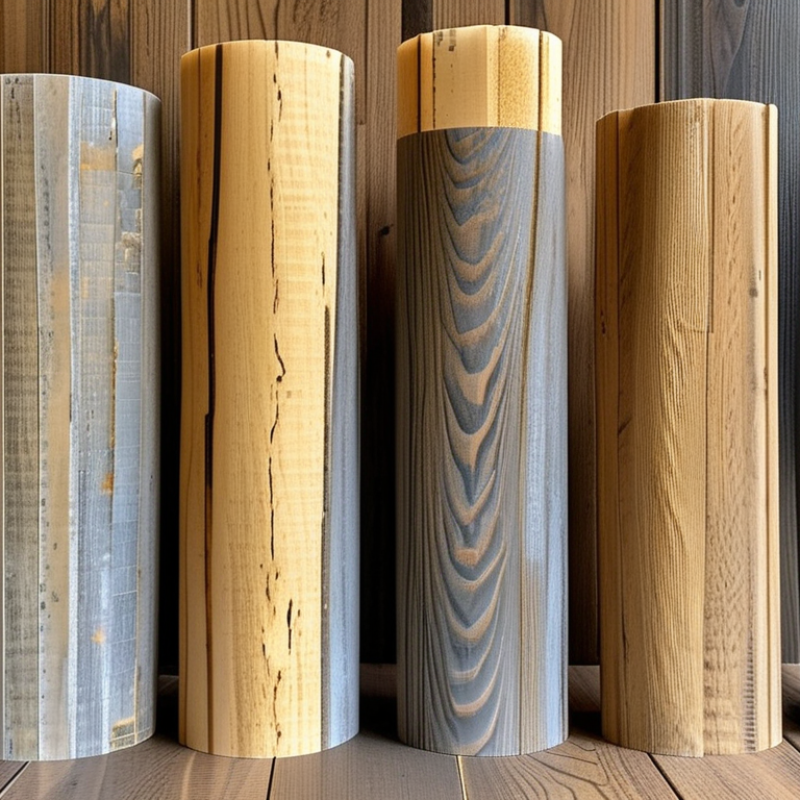
Understanding Wood Plastic Composites: Materials and Benefits
Wood plastic composites (WPCs) are an innovative blend of wood fibers and plastic. This combination offers unique benefits. They are resistant to rot, decay, and insects. This makes them ideal for outdoor applications. Many homeowners use WPCs for decking, fencing, and furniture.
The materials used in WPC often vary. Some contain recycled plastics, making them eco-friendly. However, not all composites are created equal. The quality of wood fibers and plastics impacts durability. Understanding these materials helps in making informed choices. WPCs can save time and money in maintenance compared to traditional wood.
One must consider environmental factors. Temperature changes can impact WPC performance. Some have reported fading colors over time, a concern worth noting. Choosing WPC requires careful thought, balancing aesthetics and functionality. Reflect on your specific needs. Not all options will fit your vision perfectly, so research is key.
Identifying Your Project Requirements: Key Considerations
When selecting wood plastic composites (WPC), understanding your project requirements is crucial. Start by assessing the climate where the material will be used. Will it face heavy rain or direct sunlight? Different composites perform differently under various weather conditions, affecting their lifespan and aesthetics.
Next, consider the function of your project. Is it for decking, fencing, or furniture? This will influence the density and texture needed. People often overlook how surface finish impacts maintenance. Some finishes may require more upkeep, while others are nearly maintenance-free. Reflect on how much time and effort you are willing to invest over the years.
Lastly, think about your design preferences. WPC comes in a range of colors and styles. Ensure the option you choose complements your overall design vision. Even minor color variations can create a significant visual impact. However, if you are unsure, consult with a professional for guidance. They can provide insights based on experience and current trends, helping you make a more informed choice.
How to Choose the Best Wood Plastic Composites for Your Needs? - Identifying Your Project Requirements: Key Considerations
| Attribute | Description | Considerations |
| Durability | Resistance to moisture, insects, and wear | Look for composite products with a high percentage of recycled plastics for longevity. |
| Aesthetic Options | Variety of colors and textures to mimic wood | Select colors that complement the surrounding environment. |
| Maintenance | Ease of cleaning and reconditioning | Consider low-maintenance options if time and effort are limited. |
| Environmental Impact | Sustainability of materials used | Opt for products made from recycled materials for a greener choice. |
| Cost | Price range based on material quality | Balance quality with budget; higher initial cost may save money in upkeep. |
| Installation Process | Complexity and time required for installation | Easier installation can reduce labor costs; check if professional installation is required. |
Evaluating Durability and Maintenance of Wood Plastic Composites
When selecting wood plastic composites (WPC), durability and maintenance should be top priorities. According to the Composite Materials and Processing report, WPCs can last 10 to 25 years, depending on the material composition and environmental stress factors. Resistance to moisture, insects, and UV radiation plays a crucial role in longevity. A study by the American Society for Testing and Materials suggests that WPCs outperform traditional wood in many aspects, especially in adverse weather conditions.
Maintenance varies significantly across different WPC types. Many composites require minimal upkeep, often just regular cleaning with soap and water. However, coatings can enhance performance but might also require more frequent maintenance. The National Wood Flooring Association indicates that while WPCs resist warping and splintering better than wood, they may fade over time and necessitate re-staining or sealing to maintain their appearance.
Choosing the right composite material involves weighing these factors against your specific needs. A comprehensive understanding of these characteristics can lead to better decision-making. It's essential to reflect on how each WPC’s durability aligns with your usage and aesthetic preferences. Consider local climate conditions, as they can impact the material's performance significantly. Select a composite that balances longevity with reasonable maintenance needs, ensuring your investment is worthwhile.
Comparing Aesthetics and Finishes in WPC Options
When selecting wood plastic composites (WPC), aesthetics play a significant role in your choice. These materials can mimic the appearance of natural wood, offering varied textures and colors. Some options have a sleek finish, while others feature a more rustic, weathered look. This diversity can help you match your outdoor space or interior design theme.
Consider how different finishes impact durability and maintenance. A glossy surface might look attractive but could show scratches easily. Meanwhile, a textured finish may hide wear and tear but be harder to clean. Assessing your lifestyle and the environment will influence your decision. For instance, areas exposed to moisture may benefit from finishes designed for water resistance.
It's worthwhile to think about the long-term implications of your choice. Some WPC options fade over time, losing their initial appeal. Others may require specific cleaning products to maintain their luxurious appearance. Examining samples and seeking advice can refine your understanding of what fits best with your vision. Reflection on your needs and priorities is crucial to avoid dissatisfaction down the line.
Budgeting and Cost Considerations for Wood Plastic Composites
When considering wood plastic composites (WPCs), understanding the cost is crucial. Recent industry reports reveal that WPCs can vary significantly in price, influenced by factors like material quality and manufacturing processes. On average, the cost ranges from $2 to $5 per square foot. Choosing higher-quality materials may initially seem more expensive, but they often lead to lower maintenance costs over time and a longer lifespan.
Budgeting for WPCs should also include installation costs. Professional installation can add another $1 to $3 per square foot. DIY options are available but may lack the durability that qualified installers provide. It’s important to weigh the initial savings from DIY against potential long-term costs from poor installation.
Market trends indicate that consumers are willing to invest in sustainability. A study found that approximately 70% of homeowners prioritize eco-friendly materials, even if they come at a higher price. However, be cautious; not all WPCs marketed as sustainable offer the same environmental benefits. Evaluating certifications and performance data can guide informed decisions, avoiding financial regret down the line.