Top Benefits of Modular Houses in 2025 You Need to Know
In recent years, the construction industry has witnessed a significant transformation, with modular houses emerging as a prominent alternative to traditional building methods. According to a report by the Modular Building Institute, the modular construction market is projected to grow by over 6% annually, reaching a value of approximately $157 billion by 2025. This growth is driven by various factors, including the increasing demand for affordable housing, sustainable building practices, and reduced construction time frames. Modular houses, which are prefabricated in sections and assembled on-site, offer a streamlined approach that can substantially cut down on the costs and time associated with conventional home building.
As we move into 2025, the benefits of modular houses become even more compelling. With housing shortages persisting in urban areas and environmental concerns at the forefront of public consciousness, modular construction presents a viable solution. A study by McKinsey & Company indicates that the use of modular building techniques can reduce construction waste by up to 90%, significantly improving the industry's sustainability footprint. Additionally, modular homes can be erected in a fraction of the time compared to traditional homes—often within a few weeks—allowing for quicker occupancy and investment return. In this context, it is essential to explore the top benefits of modular houses in 2025 that can reshape our understanding of efficient and sustainable living.

Benefits of Modular Houses: An Overview for 2025
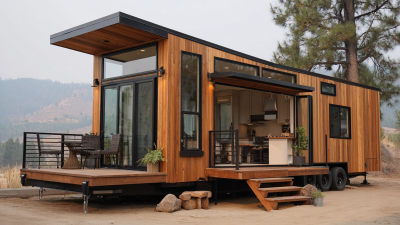
Modular houses are gaining traction in 2025, offering a multitude of benefits that make them an attractive option for homeowners and builders alike. One of the primary advantages is their efficiency in construction. Unlike traditional building methods that can take months or even years, modular houses are prefabricated in sections in a factory setting, allowing for quicker assembly on-site. This not only saves time but also minimizes labor costs, making modular homes a budget-friendly choice.
In addition to construction efficiency, modular houses are increasingly recognized for their sustainability. Many manufacturers are adopting eco-friendly materials and practices, reducing waste and promoting energy efficiency. Homeowners can benefit from lower utility bills due to better insulation and energy-saving appliances often integrated into these homes. A key tip for prospective buyers is to look for builders who prioritize sustainable construction techniques and materials.
Moreover, modular homes can be customized to fit individual preferences and lifestyles, offering a range of designs and layouts. This flexibility allows buyers to create a space that truly represents their vision while adhering to their budget. It's essential to explore different modular options and consult with experts to find the best fit for your needs. Always ensure that your chosen design complies with local building regulations to avoid potential complications.
Enhanced Energy Efficiency in Modular Home Designs
As modular houses gain popularity in 2025, one of the standout features is their enhanced energy efficiency. According to the National Institute of Building Sciences, modular homes can save up to 15-25% more energy compared to traditional constructions. This is largely attributed to their precision manufacturing process, which minimizes construction waste and ensures tighter building envelopes. Improved insulation materials and innovative designs allow these homes to regulate temperature better, resulting in lower heating and cooling costs for homeowners.
When considering a modular home, it’s essential to evaluate energy-efficient features that can further enhance your living experience. For instance, opting for solar panel installations can provide substantial energy savings. Research from the U.S. Department of Energy indicates that homes equipped with solar energy systems can decrease energy costs by up to 70%. For those looking to maximize their energy efficiency, investing in smart home technology that optimizes energy use can also lead to significant savings on utility bills.
**Tips for Maximizing Energy Efficiency in Modular Homes:**
- Consider including energy-efficient windows and doors to reduce heat loss.
- Explore options for high-efficiency HVAC systems, which can improve air quality while lowering energy consumption.
- Don't overlook the importance of sustainable landscaping, as strategic placement of trees and shrubs can provide natural cooling and windbreaks, enhancing your home’s energy efficiency even further.
Cost-Effectiveness: Financial Advantages of Modular Construction
The cost-effectiveness of modular construction is becoming increasingly apparent as the industry evolves in 2025. Modular houses, constructed off-site in controlled environments, significantly reduce labor costs and construction time. According to a report by the Modular Building Institute, modular construction can save up to 20% on overall project costs compared to traditional building methods. This reduction is attributed to fewer on-site labor hours and the elimination of delays caused by weather-related disruptions, making it a financially savvy option for both builders and homeowners.
Furthermore, the efficiency of materials used in modular construction contributes to its financial advantages. Builders can purchase materials in bulk, often at a discounted rate, and the precision of manufacturing techniques reduces waste. A study conducted by McKinsey & Company estimates that modular construction can achieve waste reductions of up to 50%. This not only lowers costs but also promotes sustainability, creating a strong case for the financial viability of modular houses in the current housing market, where affordability is a significant concern. As more consumers become aware of these benefits, the demand for modular homes is expected to grow, making cost-effectiveness a crucial factor in their appeal.
Sustainability and Environmental Impact of Modular Housing
Modular houses are increasingly recognized for their sustainability and minimal environmental impact, making them a compelling choice for modern living in 2025. One of the primary benefits of modular construction is the significant reduction in waste associated with traditional building methods. Prefabrication of modules in a controlled factory environment allows for precise cutting and material use, leading to an impressive reduction in off-cuts and excess materials. This efficient production process not only decreases the carbon footprint of construction but also encourages recycling and the use of sustainable materials, thus fostering an eco-friendly approach to housing.
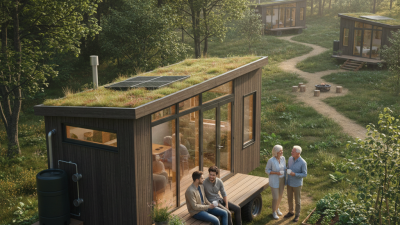
Moreover, the energy efficiency of modular homes further contributes to their positive environmental impact. Many modular designs incorporate advanced insulation techniques and energy-efficient systems, which can substantially lower energy consumption. These homes are often equipped with solar panels, energy-efficient windows, and smart home technologies that optimize energy use. As a result, homeowners benefit from lower utility costs while simultaneously reducing their reliance on fossil fuels, aligning their lifestyles with sustainable practices. In 2025, the role of modular housing in promoting environmental stewardship will likely continue to expand, encouraging more individuals to embrace sustainable living solutions.
Top Benefits of Modular Houses in 2025 You Need to Know - Sustainability and Environmental Impact of Modular Housing
| Benefit |
Description |
Environmental Impact |
Sustainability Rating |
| Energy Efficiency |
Modular houses incorporate advanced insulation materials and efficient heating systems. |
Reduces carbon footprint by decreasing energy consumption. |
High |
| Reduced Construction Waste |
Factory-based construction leads to more precise material use. |
Minimizes landfill contributions and resource wastage. |
Moderate |
| Faster Build Times |
Modular homes can be constructed in a matter of weeks. |
Decreases the overall environmental impact associated with long construction times. |
High |
| Flexibility and Customization |
Modular designs allow homeowners to adapt their spaces easily. |
Encourages long-term sustainability through adaptability. |
High |
| Lower Environmental Impact |
Uses sustainable materials and design principles. |
Promotes natural resource conservation and efficiency. |
Very High |
Customization and Flexibility in Modular House Designs
The rise of modular houses in 2025 has brought a wave of customization and flexibility that appeals to diverse homebuyers. Recent industry reports indicate that 72% of potential homeowners are looking for personalized living spaces that reflect their unique lifestyles and preferences. Modular construction allows for a level of design adaptability that traditional methods simply cannot match. With pre-engineered components that can be tailored to individual specifications, homeowners can choose everything from floor plans to finishing touches, resulting in a home that truly feels like their own.
Moreover, the flexibility of modular house designs extends to various aspects, including energy efficiency and sustainable practices. According to a report by the Modular Building Institute, modular homes typically generate 30% less waste during construction compared to conventional homes. This reduction not only translates to environmental benefits but also allows buyers to customize eco-friendly features, such as solar panels and high-efficiency appliances. As a result, modular homes are becoming synonymous with modern living that prioritizes both comfort and sustainability. The ability to create a bespoke living environment, combined with a commitment to green building practices, positions modular houses as an attractive option for today’s conscientious consumers.
Top Benefits of Modular Houses in 2025